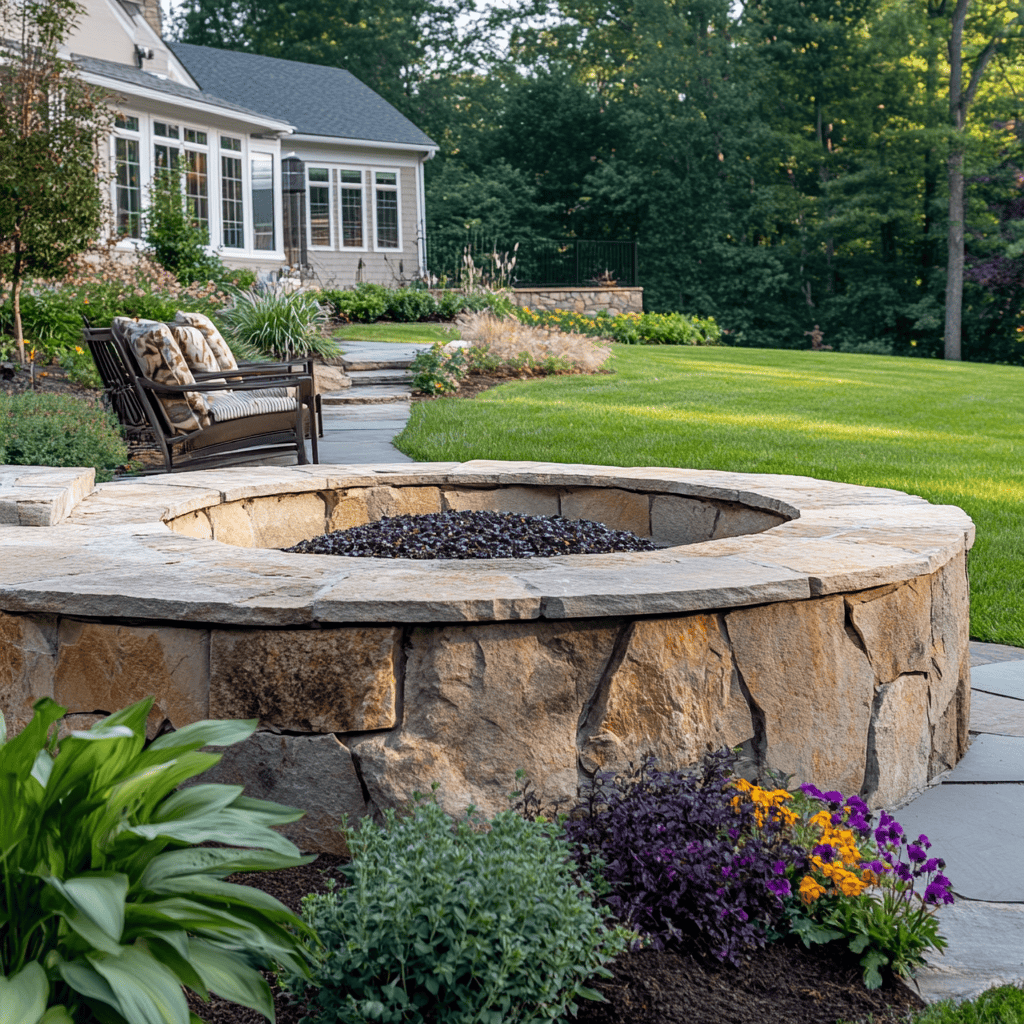
Fire Pit Design & Installation
in Centreville, VA
WC Landscape

Create a Warm and Inviting Gathering Space in Centreville with a Custom Fire Pit

At WC Landscape, we specialize in designing and installing custom fire pits that transform Centreville backyards into true havens for relaxation and connection. Since 2020, WC Landscape has evolved from a small venture into a full-scale professional operation. Our dedicated team brings substantial industry knowledge, with the owner contributing over 25 years and the co-owner 15 years of experience. This background ensures that every fire pit project in Centreville benefits from exceptional craftsmanship and attention to detail.

A fire pit serves as a natural gathering point, offering warmth, light, and a cozy ambiance that extends the usability of your outdoor space well into the evening and through cooler seasons. Whether you envision intimate family moments, lively social gatherings, or simply a tranquil spot to unwind, a custom-built fire pit from WC Landscape enhances your outdoor living experience. We focus on creating fire pits that are not only highly functional and safe but also seamlessly integrate with your home’s architecture and existing landscape design. Our method integrates your ideas with our understanding of fire pit applications, ensuring a feature that meets your outdoor living aspirations and complements your home's style.

Fully licensed, insured, and
locally operated in Centreville, VA

Get Your Free
Landscape Consultation

Get in touch with us today
and claim your personalized free quote.

outdoor kitchens in centreville
hardscaping in centerville va 1
fire pits in centreville va

Exploring Types of Fire Pits for Your Centreville Home

Choosing the right type of fire pit is a key decision that influences both the functionality and aesthetic of your outdoor gathering space. WC Landscape offers expertise in various fire pit styles, each suited for different preferences and backyard designs in Centreville.

Wood-Burning Fire Pits

Wood-burning fire pits offer the classic campfire experience, complete with the crackle of burning logs, the aroma of wood smoke, and natural flickering flames.

  • Authentic Ambiance: This type of fire pit provides a traditional and rustic feel, perfect for roasting marshmallows, telling stories, and enjoying the sensory experience of a real wood fire.
  • Heat Output: Wood fires tend to generate more radiant heat than gas fires, making them highly effective for warmth on cooler Centreville evenings.
  • Fuel Source: Requires a consistent supply of seasoned firewood. Considerations for the storage of firewood and the availability of wood are important.
  • Cleanup: Produces ash and embers, requiring regular cleanup after each use. Proper ash disposal is important for safety.
  • Ventilation: Requires an open-air setting with good ventilation to dissipate smoke. Positioning away from structures and prevailing winds is essential.
  • Construction: Can be built as permanent, in-ground structures or as raised designs using various masonry materials like natural stone, brick, or concrete blocks. The interior firebox is typically lined with firebrick for heat resistance.
  • Safety: Requires strict adherence to safety guidelines regarding clearances from combustible materials, supervision of fires, and ensuring fires are fully extinguished. Sparks and embers can be a concern, necessitating spark screens.

Gas Fire Pits

Gas fire pits offer convenience, cleanliness, and instant ambiance, making them a popular choice for modern outdoor spaces.
  • Convenience: Ignited with the flick of a switch or turn of a key, providing instant flames without the need for kindling or wood. Flames can be easily adjusted.
  • Cleanliness: Produces no smoke, ash, or embers, resulting in a cleaner burning experience and minimal cleanup. This is a significant advantage for those sensitive to smoke or who prefer less maintenance.
  • Fuel Source: Can be fueled by natural gas (connected to the home’s main gas line) or propane (using a hidden or external tank). Natural gas offers a continuous supply, while propane provides portability for some designs.
  • Media Options: Flames rise through decorative media such as lava rock, fire glass, or ceramic logs, offering various aesthetic effects.
  • Construction: Typically built as permanent fixtures, integrating a gas burner system into a constructed fire pit enclosure. The enclosure can be designed with materials like stone, concrete, or metal to match the desired aesthetic.
  • Safety: Requires professional installation of gas lines and burners to meet safety codes. Gas shut-off valves are installed for easy control. Proper ventilation is still important, especially for propane storage.
  • Heat Output: Generally produces less radiant heat than wood fires, but still provides sufficient warmth for comfortable gathering.

Portable Fire Pits

Portable fire pits offer flexibility and versatility, allowing you to move the fire experience to different areas of your Centreville backyard.
  • Mobility: Designed to be moved, they are ideal for spaces where a permanent structure is not desired or for temporary use. They can be stored away when not in use.
  • Variety of Materials: Commonly made from steel, cast iron, or copper. Available in various sizes and styles, from simple fire bowls to more decorative designs.
  • Fuel Source: Primarily wood-burning, though some small portable propane fire pits are available.
  • Cost-Effective: Generally a less expensive option than built-in fire pits, offering an entry point into outdoor fire features.
  • Setup: Easy to set up and requires minimal installation.
  • Safety: Requires placing on a non-combustible surface and maintaining appropriate clearances from structures and vegetation.

Built-in Fire Pits

Built-in fire pits are permanently constructed features that become an integral part of your outdoor living space design, offering a cohesive and customized look.
  • Integration: Designed to match or complement your existing hardscaping and home architecture, creating a seamless flow within your outdoor environment.
  • Customization: Offers the highest degree of customization in terms of shape (round, square, rectangular, custom), size, height, and material selection (natural stone, brick, concrete, stucco).
  • Durability: Constructed with robust, weather-resistant materials and a solid foundation, ensuring long-term durability and stability.
  • Utility Integration: Gas lines can discreetly run to built-in gas fire pits, eliminating visible tanks. Electrical lines can be added for automatic ignition or accent lighting.
  • Seating Integration: Often designed with integrated seating walls around them, creating a unified gathering area.
  • Resale Value: A well-designed and professionally installed built-in fire pit adds significant aesthetic appeal and property value to your Centreville home.

Fire Bowls and Fire Tables

These represent specific styles of fire pits, often gas-fueled, that combine the element of fire with functional design.
  • Fire Bowls: Stand-alone fire features, typically round or square, that house a gas burner. They are often made from concrete, cast stone, or metal and can be a contemporary alternative to a traditional fire pit. They offer a simple, elegant flame display.
  • Fire Tables: Combine a fire feature with a table surface. The fire element is typically recessed in the center of a larger table, with surrounding space for drinks or small plates. These are often gas-fueled and are ideal for dining and socializing around the warmth of the fire. They can be coffee table height or dining table height.
WC Landscape helps Centreville homeowners assess their space, lifestyle, and aesthetic preferences to select the ideal type of fire pit, ensuring it enhances their outdoor living experience for many years.

Designing Your Fire Pit Area in Centreville

The design phase for a fire pit is a collaborative process at WC Landscape, where your vision for an inviting outdoor gathering space meets our technical and creative expertise. A well-conceived design is fundamental to a fire pit that is not only functional and safe but also aesthetically pleasing, seamlessly integrating with your Centreville home and landscape.

Initial Consultation and Site Analysis

Every successful fire pit project begins with a thorough initial consultation and detailed site analysis. This first step allows us to understand your vision, needs, and how your outdoor space functions.

  • Understanding Your Vision: We start by listening to your ideas for your new fire pit. What is its primary purpose? Do you envision a quiet spot for evening relaxation, a lively area for entertaining friends, or a family gathering spot? We discuss your preferences for fuel type (wood or gas), style (modern, rustic, traditional), size, and any specific features you wish to include, such as integrated seating or surrounding hardscaping.
  • Assessing Site Conditions: Our team conducts a detailed assessment of your Centreville property. This involves:
    • Space and Layout: Examining the available footprint for the fire pit, considering traffic flow from your home and other outdoor living areas (e.g., patios, decks, pools). We assess the ideal size and shape for the fire pit to fit harmoniously within your existing landscape without feeling cramped or out of proportion.
    • Proximity to Structures: A critical safety aspect is ensuring adequate distance from your home, fences, trees, and other combustible structures. We review Centreville’s specific setback requirements for fire features to ensure compliance.
    • Wind Patterns: We observe prevailing wind directions on your property. This is crucial for positioning wood-burning fire pits to minimize smoke blowing into seating areas or towards the house. For gas fire pits, strong winds can affect flame appearance, so sheltered locations are often preferred.
    • Existing Utilities: For gas fire pits, we identify the locations of existing gas lines. If connecting to natural gas, we assess the feasibility and cost-effectiveness of extending the line. We also identify any underground utilities (water, electrical) that might be in the proposed installation area, using Miss Utility markings to prevent damage.
    • Drainage and Grading: We identify current water flow and potential problem areas to ensure the fire pit area has proper grading and drainage solutions, preventing water accumulation around the feature. A stable, well-drained base is important for the longevity of any hardscaped area.
    • Integration with Existing Landscape: We assess how the new fire pit will integrate with existing hardscaping (patios, walkways), softscaping (garden beds, trees), and other outdoor features (pools, outdoor kitchens). The goal is to create a cohesive and functional outdoor living environment.
    • Views and Aesthetics: We consider the views from the fire pit area and how the fire pit will look from inside your home and other parts of your yard. We aim to enhance visual appeal from multiple angles.
    • Local Codes and Regulations: We research Centreville’s specific building codes, setback requirements, and any open burning restrictions that apply to fire pit installations. This ensures the design complies with all local ordinances and safety standards.
This comprehensive analysis ensures that the fire pit design is not only visually appealing and highly functional but also structurally sound, safe, and tailored to the specific environmental and regulatory conditions of your Centreville property.

Custom Design Development

Based on the insights gathered during the consultation and site analysis, our design team develops a custom fire pit plan. This creative and technical phase translates your vision into a detailed, executable design.

  • Conceptual Layouts and Sketches: We begin by developing conceptual layouts and sketches that illustrate different possibilities for your fire pit’s size, shape, and placement. This allows you to visualize various options and helps us narrow down the design direction. We explore different configurations like a central focal point, an integrated fire pit within a larger patio, or a more secluded fire pit nook.
  • Detailed Plans and Specifications: Once a concept is approved, we create detailed construction plans. These plans specify:
    • Dimensions and Footprint: Precise measurements and the exact contours of the fire pit structure.
    • Height and Diameter/Shape: Specific dimensions for the fire pit’s height, internal diameter (for wood-burning), or burner dimensions (for gas fire pits).
    • Material Specifications: The type of construction material (e.g., natural stone, concrete blocks, brick, steel), the interior lining (e.g., firebrick), and any capping material.
    • Fuel Type and Connections: Details for wood-burning fire pits (e.g., proper air circulation) or gas fire pits (gas line routing, burner type, and BTU output).
    • Seating Integration: If integrated seating walls are part of the design, their dimensions, height, and material specifications are included.
    • Lighting and Accessory Integration: Placement of any surrounding lighting, outlets, or other accessories to enhance the fire pit area.
    • Grading and Drainage: Precise grading plans to ensure proper water runoff around the fire pit area.
    • Safety Clearances: Clear indications of minimum safe distances from structures and vegetation as per local codes.
  • 3D Renderings (Optional): For complex designs or to aid in visualization, we may provide realistic 3D renderings or digital visualizations. These allow you to see a detailed preview of your finished fire pit area within your landscape, helping in making final decisions about design elements and material choices and ensuring the final product meets your expectations.
  • Material Samples: We provide samples of stone, brick, concrete, or other materials that will be used for the fire pit and surrounding hardscaping. Seeing and feeling the materials in person helps you visualize the outcome and make informed choices.
  • Budget Alignment: Throughout the design process, we maintain transparency regarding costs, ensuring that the design aligns with your budget while still achieving your desired aesthetic and functional goals. We discuss options to scale the project to meet financial parameters without sacrificing core functionality or quality.
This collaborative design development process ensures that the final fire pit plan is tailored to your preferences, site conditions, budget, and local regulations, providing a clear roadmap for a successful installation.

Incorporating Design Elements and Features

Beyond the fire pit itself, the surrounding design elements and features significantly contribute to creating a functional, comfortable, and inviting outdoor gathering space. WC Landscape can integrate these elements into your custom fire pit design.

  • Seating Areas:
    • Integrated Seating Walls: Building low walls around the fire pit provides permanent, durable seating that matches the fire pit’s materials, creating a cohesive look. These can be capped with smooth stone for comfort.
    • Paver Patios/Stone Patios: Designing a new or extending an existing patio around the fire pit provides a solid, level surface for movable chairs, benches, or outdoor furniture, defining the gathering space.
    • Built-in Benches: Permanent benches made from wood, stone, or composite materials can be incorporated into the perimeter of the fire pit area.
    • Ample Space: Ensuring enough clear space around the fire pit for seating and safe movement is a primary consideration to prevent overcrowding and allow for comfortable use.
  • Hardscaping Elements:
    • Walkways: Creating clear and attractive pathways from your home or other outdoor living areas to the fire pit ensures easy and safe access, especially after dark.
    • Decorative Borders: Using contrasting materials or patterns in pavers or stone to create a decorative border around the fire pit area, visually defining the space.
    • Retaining Walls: If the fire pit is built on a slope, retaining walls might be needed to create a level and stable area, which can also double as additional seating.
  • Lighting:
    • Ambient Lighting: Subtly placed landscape lighting (e.g., path lights, recessed lights in seating walls, string lights on overhead structures) creates a soft glow, enhancing the ambiance and extending the usability of the area into the evening.
    • Task Lighting (if needed): While less common for fire pits, specific task lighting might be considered if the area is also used for other activities.
    • Safety Lighting: Ensuring walkways and steps leading to the fire pit are well-lit to prevent trips and falls.
  • Landscaping Integration:
    • Planting Beds: Surrounding the fire pit area with low-maintenance, fire-safe planting beds can soften the hardscape, add color and texture, and create a sense of enclosure. Choose plants that are not easily flammable and are appropriate for Centreville’s climate.
    • Privacy Screening: Strategic placement of trees or shrubs can create a more secluded and intimate fire pit experience, blocking views from neighbors or street traffic.
    • Strategic Layout: Positioning the fire pit to capitalize on existing landscape features or views, making it a focal point within your outdoor design.
  • Convenience Features:
    • Wood Storage (for wood-burning pits): Designing an integrated, dry, and accessible storage area for firewood, keeping it neat and ready for use.
    • Gas Line Covers: For gas fire pits, ensure any exposed gas lines or connections are discreetly covered or protected.
    • Nearby Outlets: Strategically placed outdoor electrical outlets for powering outdoor lighting, music systems, or charging devices.
By thoughtfully incorporating these design elements and features, WC Landscape creates custom fire pit areas that are not just a source of warmth but true extensions of your Centreville home, tailored for your specific lifestyle and aesthetic preferences, providing a complete and luxurious outdoor living experience.

Fire Pit Installation Process

The installation of a fire pit is a multi-step process that requires precision, proper techniques, and strict adherence to safety and building codes to ensure a durable, functional, and long-lasting result. WC Landscape’s experienced team follows a methodical approach, paying meticulous attention to every detail from start to finish.

Site Preparation and Foundation

Thorough site preparation and a solid foundation are fundamental to any successful fire pit installation. This crucial first phase ensures stability, proper drainage, and the readiness of the area for construction.

  • Marking and Layout: Based on the approved design plans, the fire pit footprint and its surrounding area (e.g., patio, seating walls) are precisely marked out on the ground. This involves using stakes, string lines, or spray paint to define the exact dimensions, shape, and contours of the fire pit and its associated hardscaping. Accurate layout is crucial for ensuring the finished installation matches the design specifications.
  • Excavation: The marked area is excavated to the required depth, which is determined by the type of foundation, local soil conditions, and the need for utility trenching (for gas fire pits). All organic matter, topsoil, and debris are removed. The excavation depth accounts for a stable subgrade and a proper foundation system, often requiring deeper excavation for footings or substantial gravel bases.
  • Grading and Drainage: The exposed subgrade (the soil beneath the foundation) is then carefully graded to ensure proper water runoff away from the fire pit structure and any surrounding hardscaping. This prevents water accumulation, which could undermine the foundation or lead to moisture issues. Integrated drainage solutions, such as permeable paver bases or French drains, may be installed at this stage if needed to manage stormwater effectively, especially in areas prone to standing water.
  • Foundation Construction: A stable foundation is paramount for the heavy weight of fire pit materials (stone, concrete, firebrick) and to withstand the effects of Centreville’s freeze-thaw cycles. Depending on the design and soil conditions, foundation options include:
    • Compacted Gravel Base: For most fire pits and surrounding patios, a well-compacted layer of crushed gravel (typically 6-12 inches deep, sometimes more) provides a stable, free-draining base. This gravel is compacted in lifts (layers) using a vibratory plate compactor to achieve maximum density.
    • Concrete Footings or Slab: For very large, heavy fire pit structures or those integrated with extensive retaining walls, reinforced concrete footings poured below the frost line (as per Centreville’s building codes) or a full concrete slab may be necessary to provide robust, immovable support.
  • Compaction: Once the subgrade is prepared and any gravel layers are spread, thorough compaction using a vibratory plate compactor is performed. This step removes air pockets and increases the density of the soil and gravel layers, providing a firm, stable base that minimizes future settlement around the fire pit structure. This is a repetitive but vital step for long-term stability.
Proper site preparation and foundation work set the stage for a fire pit installation that will maintain its structural integrity, safety, and aesthetic appeal for many years.

Utility Connections (for Gas Fire Pits)

Integrating gas utilities safely and efficiently is a critical and specialized phase of gas fire pit installation. This requires adherence to strict safety protocols and local building codes.

  • Gas Line Installation:
    • Natural Gas: If connecting to a home’s natural gas supply, a licensed plumber or gas technician extends the gas line from the house to the outdoor fire pit location. This involves digging trenches (typically 18-24 inches deep or as per local code), installing approved gas piping (e.g., black iron pipe or corrugated stainless steel tubing, properly sleeved if crossing certain areas), and ensuring all connections are leak-tested and code-compliant. A gas shut-off valve is installed at the fire pit location for safety and control.
    • Propane: For propane fire pits, proper storage of the propane tank is designed, typically within a ventilated enclosure adjacent to or integrated into the fire pit structure. Gas lines are connected from the tank to the burner system with appropriate fittings and safety measures. Propane tanks should be stored securely and upright.
  • Electrical Wiring (for automatic ignition/lighting):
    • Dedicated Circuits: If the gas fire pit features electronic ignition or if accent lighting is integrated into the fire pit structure or surrounding area, electrical wiring is run from the home’s main electrical panel. Often, dedicated circuits are needed for these components.
    • Weather-Resistant Components: All electrical wiring, connections, and components (e.g., ignition modules, switches) are designed for outdoor use and housed in weather-resistant enclosures to prevent moisture damage and electrical hazards.
    • GFCI Protection: Ground Fault Circuit Interrupter (GFCI) protection is always included for outdoor electrical outlets and circuits, providing a critical safety measure against electrical shock.
  • Code Compliance and Permits: All utility connections are performed by licensed professionals (plumbers, gas technicians, electricians) and adhere strictly to Centreville’s building codes, fire safety regulations, and electrical codes. Necessary permits are obtained before work begins, and inspections are scheduled at appropriate stages of the utility installation to ensure compliance. This step cannot be bypassed for safe and legal installation.
  • Concealment and Protection: Utility lines are often buried or strategically concealed within the fire pit structure or adjacent landscaping to maintain aesthetic appeal and protect them from damage. Access panels are sometimes incorporated for future maintenance of gas valves or electrical components.
Careful and professional utility integration ensures the gas fire pit is safe, functional, and compliant with all local requirements.

Fire Pit Construction

The core construction of the fire pit involves building the inner ring and outer structure using chosen materials, paying close attention to heat resistance and durability.

  • Inner Ring Construction (Firebox):
    • Fire-Resistant Materials: For both wood-burning and gas fire pits, the interior of the firebox where the flames will be contained is constructed using materials capable of withstanding extreme heat. This typically involves firebrick (rated for high temperatures) laid with high-heat mortar, or a specialized steel fire ring insert. This inner lining protects the outer structure from heat damage and provides a durable fire containment area.
    • Dimensions: The inner ring is built to precise dimensions to accommodate the fuel source (logs for wood, burner for gas) and ensure proper air circulation for efficient burning. For gas fire pits, the burner size and media (lava rock, fire glass) are considered.
  • Outer Structure (Shell/Enclosure):
    • Material Application: The outer shell of the fire pit is constructed using the chosen aesthetic material. This could involve:
      • Natural Stone: Laying natural stone pieces (e.g., flagstone, bluestone, granite) with mortar to create a robust and earthy appearance. Stones are often chosen for their non-porous and heat-resistant qualities.
      • Concrete Blocks/CMU: Building with concrete masonry units (CMU) provides a sturdy, structural base that can then be veneered or finished.
      • Brick: Laying bricks in a desired pattern with mortar, providing a classic and traditional look.
      • Stucco: Applying multiple layers of stucco over a mesh or backer board for a smooth, contemporary finish.
      • Corten Steel or Other Metals: For modern designs, fabricated steel (like Corten steel, which develops a rust-like patina) or other metals can form the entire fire pit structure.
    • Ventilation (for wood-burning): If it is a wood-burning fire pit, vent holes or an air supply channel may be integrated into the lower part of the outer structure to provide adequate oxygen for combustion and reduce smoke.
    • Capping: The top edge of the fire pit is often finished with a capstone or a custom-cut cap made from the same or complementary material (e.g., a large piece of bluestone, granite, or a cast concrete cap). This provides a finished look, a convenient surface for drinks or small items, and protects the top edge of the masonry.
  • Integrated Seating Walls (if applicable): If the design includes integrated seating walls, these are constructed simultaneously with the fire pit, using matching or complementary materials and ensuring appropriate height and depth for comfortable sitting.
This construction phase requires skilled masonry work or fabrication, ensuring the fire pit is structurally sound, heat-resistant, and visually appealing, becoming a durable centerpiece for your Centreville outdoor space.

Finishing Touches and Cleanup

The final steps involve integrating any gas burner components, conducting safety checks, adding media, and preparing the area for use.

  • Gas Burner Installation (for gas fire pits):
    • Burner Placement: The gas burner assembly (stainless steel pan and burner ring) is carefully placed into the firebox of the fire pit. It is positioned to ensure even flame distribution and proper ventilation.
    • Gas Line Connection: The gas line is securely connected to the burner assembly. All connections are double-checked for leaks using a specialized leak detection solution to ensure safety.
    • Ignition System: Any electronic ignition systems, control valves, or key valves are installed and connected according to manufacturer specifications and local codes.
  • Media Placement (for gas fire pits):
    • Lava Rock Base: A layer of lava rock is typically placed in the burner pan first to provide a stable base and promote even gas distribution.
    • Decorative Media: Decorative fire glass, ceramic logs, or additional lava rock is then carefully arranged on top of the lava rock base to conceal the burner and create the desired aesthetic. The media is placed to allow for proper airflow and flame appearance.
  • Safety Checks and Testing:
    • Gas Leak Test: A thorough leak test is performed on all gas connections.
    • Burner Test: The gas fire pit is ignited and tested to ensure the burner lights correctly, flames are consistent, and all controls operate as intended.
    • Clearance Verification: Final verification of all safety clearances from combustible materials (e.g., plants, wooden structures, fences) is performed as per local Centreville fire codes.
  • Cleanup and Site Restoration:
    • Debris Removal: All construction debris, excess materials, and tools are removed from the site.
    • Surface Cleaning: The fire pit, surrounding patio, and any adjacent surfaces are thoroughly cleaned of dust, mortar residue, and other construction-related marks.
    • Final Walkthrough: A final walkthrough is conducted with the client to review the completed fire pit, demonstrate its operation (for gas fire pits), and answer any questions.
By meticulously executing these installation steps, WC Landscape delivers a fire pit that is not only visually appealing but also structurally sound, highly functional, and designed for longevity and safe enjoyment in Centreville’s outdoor environment.

Get in touch with us today
and claim your personalized free quote.

Why Centreville Homeowners Choose
WC Landscape for Fire Pit Installations

WC Landscape has built a reputation as a dependable and customer-focused service provider. When selecting a contractor for your fire pit installation in Centreville, our dedication to exceptional quality, profound local expertise, and unwavering client satisfaction sets us apart. We prioritize long-term relationships and word-of-mouth referrals, recognizing that satisfied clients are the best advertisement for our services.

Local Climate and Building Code Expertise

Centreville's unique climate and specific building codes demand specialized knowledge for fire pit installations. Our deep understanding of these local factors allows us to implement solutions that ensure the longevity, safety, and compliance of your fire pit.

  • Addressing Centreville’s Climate Extremes: Virginia experiences a range of temperatures, from hot, humid summers to freezing winters with thaw cycles. These temperature fluctuations, along with precipitation (rain and snow), can affect the durability of outdoor masonry and materials if not properly designed and installed. Our approach accounts for these conditions:
    • Material Selection: We guide you in selecting materials for your fire pit that are specifically rated for outdoor use and can withstand UV exposure, moisture, and extreme temperature fluctuations without cracking, spalling, or degrading. This includes choosing appropriate stone, brick, concrete, and firebrick.
    • Foundation Design: We design and build foundations for fire pits (e.g., compacted gravel bases, concrete footings) that account for Centreville’s frost line and soil conditions, preventing shifting or cracking due to freeze-thaw cycles.
    • Drainage: Our designs incorporate proper grading around the fire pit to ensure surface water drains away from the structure, preventing water accumulation that could lead to material damage or moisture issues.
    • Winter Protection: For gas fire pits, we advise on the proper winterization of gas lines and components. For all fire pits, we discuss options for covers to protect the interior from snow and ice.
  • Navigating Centreville’s Building Codes and Permits: Fire pits, especially gas-fueled ones, involve gas lines and sometimes electrical components, which are subject to stringent local building and fire codes in Centreville. Even wood-burning fire pits have specific setback requirements.
    • Permit Acquisition: We handle the process of obtaining all necessary permits from Centreville authorities before beginning construction. This includes permits for gas work, and sometimes general construction permits for permanent structures.
    • Code Compliance: Our licensed plumbers and gas technicians perform all utility connections strictly according to Centreville’s current codes, ensuring safety and compliance. We are familiar with setback requirements from structures and property lines, ventilation standards, and structural integrity guidelines for fire features.
    • Fire Safety Regulations: We ensure the fire pit design and location comply with all local fire safety regulations, including open burning rules and proximity to combustible materials.
    • Inspection Coordination: We coordinate and attend all required inspections with Centreville building and fire officials at appropriate stages of the project, ensuring that every aspect of the installation meets regulatory standards.

Our localized expertise means your fire pit installation is designed, built, and permitted to perform excellently, safely, and endure gracefully in Centreville's specific environmental and regulatory conditions.

Uncompromising Quality and Craftsmanship

At WC Landscape, our commitment to quality is unwavering. We pride ourselves on delivering superior services with a customer-first approach. We refuse to compromise on the quality of materials or the integrity of our construction methods, recognizing that these are the pillars of a successful, lasting fire pit.

  • Premium Materials Sourcing: We source only high-quality, outdoor-rated materials for fire pit construction from reputable suppliers. This includes durable natural stone, high-grade brick, reinforced concrete, and specialized firebrick for the interior of the firebox. For gas fire pits, we use certified burners and components designed for outdoor use.
  • Adherence to Industry Best Practices: Our installation practices adhere to, and often surpass, industry standards for hardscaping and fire feature construction. This includes meticulous attention to foundation work, precise masonry techniques, proper mortar application, and secure utility connections. Every step is executed with care and precision by trained professionals.
  • Skilled and Experienced Craftsmen: Our installation team comprises highly skilled and experienced builders, masons, and (for gas fire pits) licensed plumbers and gas technicians. They possess the expertise required for precise construction, safe utility connections, and achieving a perfectly finished and functional fire pit. Their attention to detail and mastery of outdoor construction translate directly into a superior finished product.
  • Rigorous Quality Control: Throughout every phase of the project, from initial excavation and foundation pouring to the final material application and gas burner testing, our team conducts rigorous quality control checks. We verify structural integrity, test utility connections (for gas), and inspect the finished surfaces to ensure they meet our exacting standards and your expectations for both function and aesthetics.
  • No-Payment-Until-Satisfied Policy: Our confidence in our work is reflected in our “no-payment-until-satisfied” policy. This means you don’t pay until the job meets or exceeds your expectations, providing you with peace of mind and demonstrating our dedication to quality workmanship and client satisfaction.

Choosing WC Landscape means investing in a fire pit built with integrity, designed to provide enduring beauty, functionality, and lasting value for your Centreville home.

Integrated Design Philosophy

A fire pit should not be a standalone feature but an integral part of your overall outdoor living environment. WC Landscape approaches fire pit design with a holistic philosophy, creating solutions that integrate seamlessly with your existing landscape, architectural style, and outdoor living goals.

  • Harmonious Flow: We design the fire pit’s placement and its surrounding hardscaping to create a natural flow from your home to other outdoor living areas, such as patios, dining spaces, or pools. The transitions between the fire pit area and adjacent hardscapes or softscapes are carefully considered to achieve a cohesive and inviting outdoor space.
  • Aesthetic Cohesion: We collaborate with you to select materials, colors, and finishes for the fire pit that complement your home’s exterior materials, architectural style, and the surrounding natural environment. Whether your home is traditional, modern, or rustic, we ensure the fire pit enhances its existing aesthetic, rather than clashing with it.
  • Functional Zoning: For larger outdoor living spaces, we can design distinct zones for different activities, such as a dedicated fire pit gathering area, a dining space, or an outdoor kitchen, using thoughtful layout and integration of various hardscape and softscape elements to create a unified outdoor experience.
  • Softscape Integration: We consider how planting beds and softscape elements will interact with the fire pit. Strategic planting can soften the lines of the hardscape, provide a sense of enclosure, add color and texture, and help define the space. We also select fire-safe plant species for proximity to the fire pit.
  • Optimized Views and Experience: We position the fire pit to maximize desirable views from your property while minimizing exposure to less appealing sights. We also consider sun and wind patterns to ensure the space is comfortable for gathering throughout the day and year, especially for wood-burning fire pits where smoke direction is a factor.

Our integrated design philosophy ensures that your fire pit is not just a source of warmth but a fundamental, beautiful, and highly functional component of your complete Centreville outdoor living experience, enhancing both its utility and its overall appeal.

Client-Centered Approach

At WC Landscape, our mission extends beyond constructing fire pits; it is about building relationships. We operate with an unwavering commitment to client satisfaction, recognizing that our clients are our best advocates.

  • Transparent Communication: We maintain open and transparent communication throughout the entire project lifecycle, from the initial consultation to project completion. We keep you informed about progress, discuss any potential challenges, and answer your questions promptly and clearly. We prioritize active listening to ensure we fully grasp your needs and preferences for your outdoor fire feature.
  • Personalized Service: We understand that every Centreville home and homeowner is unique. Our services are tailored to your specific requirements, ensuring that your fire pit is a true reflection of your vision, lifestyle, and budget. We provide personalized advice and recommendations at every stage, from material selection to design considerations.
  • Responsive and Accessible: Our team is readily available to address your concerns and respond to your inquiries. We believe that a responsive and accessible service builds trust and ensures a smooth, stress-free project experience. We are here to guide you through the process, providing peace of mind from start to finish.
  • Respect for Your Property: We treat your property with the utmost respect. Our team maintains a clean and organized work site, minimizing disruption to your daily life and ensuring a thorough cleanup upon project completion. We aim to leave your property better than we found it, with minimal impact on your existing landscape.
  • Post-Project Support: Our commitment to your satisfaction does not end with the installation. We provide valuable guidance on how to care for and maintain your new fire pit, including safety guidelines, cleaning procedures, and (for gas fire pits) operational instructions, helping you preserve its beauty and extend its lifespan. We are also available to address any questions or minor issues that may arise after the project is finished, ensuring your long-term satisfaction.

By prioritizing your needs and providing exceptional service, WC Landscape strives to not only deliver a superior fire pit but also to foster a long-term relationship built on reliability, trust, and a shared passion for creating beautiful and functional outdoor spaces in Centreville.

Materials for Fire Pits

Selecting the right materials for your fire pit in Centreville is important for ensuring its durability, safety, and aesthetic appeal in an outdoor environment. WC Landscape guides you through the best choices for each component, considering heat resistance, longevity, and style.

Primary Construction Materials

The main body of your fire pit will be constructed from materials designed to withstand significant heat and outdoor exposure.

  • Natural Stone: A premier choice for fire pits due to its inherent beauty, durability, and heat-resistant properties. Varieties like bluestone, flagstone, granite, or various types of fieldstone can be used. When properly installed with heat-resistant mortar, natural stone creates a rustic, timeless, or elegant look. It is important to use non-porous stone types that do not contain trapped moisture, which can cause cracking when heated.
  • Concrete Blocks (CMU) and Stone Veneer: Concrete masonry units (CMU) provide a strong, stable, and cost-effective structural base for the fire pit. These blocks are then typically faced with a decorative stone veneer (natural or manufactured) or stucco to achieve the desired aesthetic. This method allows for a wide range of looks while maintaining structural integrity. The inner ring is still constructed with firebrick.
  • Brick: Classic and versatile, brick fire pits offer a traditional or colonial look that can complement many Centreville homes. Bricks are durable and heat-resistant, especially firebricks used for the interior combustion chamber. Various colors and patterns of brick can be used to create unique designs.
  • Cast Concrete: Custom-poured or pre-fabricated cast concrete fire pits offer a modern, clean, and minimalist aesthetic. Concrete is highly durable and can be tinted to various colors or given different textures. Cast concrete fire pits are often sealed to protect against staining and moisture. They are very heavy and stable.
  • Steel (Corten or Stainless): For a contemporary or industrial look, fire pits can be constructed from heavy-gauge steel.
    • Corten Steel: Also known as weathering steel, it develops a stable, rust-like appearance when exposed to the elements, creating a unique, earthy patina without deteriorating the underlying metal. It is highly durable and requires minimal maintenance.
    • Stainless Steel: Offers a sleek, shiny, and highly corrosion-resistant option. While more expensive, it is very durable and provides a modern, clean aesthetic. Often used for the internal burner pans of gas fire pits.

Interior Firebox Liner

Regardless of the outer construction material, the interior of the fire pit that directly contacts the flames needs a specialized heat-resistant lining.

  • Firebrick: Essential for wood-burning fire pits and highly recommended for gas fire pits. Firebrick is specifically manufactured to withstand very high temperatures without cracking or spalling. It lines the inside of the combustion chamber, protecting the outer structure from heat damage and helping to retain heat. It is laid with high-heat refractory mortar.
  • Steel Fire Ring Insert: Pre-fabricated steel rings can be placed inside the fire pit structure, particularly for wood-burning designs. These provide a contained area for the fire and protect the masonry from direct flame contact, simplifying construction and maintenance. They are typically made from thick-gauge steel.

Capping Materials

The top edge of the fire pit is often finished with a capping material, which provides a finished look and a smooth surface.

  • Natural Stone Slabs: Large, custom-cut slabs of natural stone (e.g., bluestone, granite, flagstone) are popular choices for capping fire pits and integrated seating walls. They offer a durable, elegant, and heat-resistant surface.
  • Cast Concrete Caps: Custom-poured concrete caps can match or contrast with the fire pit’s main body, offering a seamless or distinct top surface. They can be polished or textured.
  • Pre-fabricated Concrete Caps: Many concrete block fire pit kits come with pre-fabricated concrete capstones that fit perfectly onto the structure.

Fuel-Specific Media (for Gas Fire Pits)

For gas fire pits, decorative media is used to cover the burner and enhance the flame appearance.

  • Lava Rock: A natural, inexpensive, and highly porous volcanic rock that serves as an excellent base layer over the gas burner. It helps distribute the gas evenly and creates a natural, earthy look when the flames are visible.
  • Fire Glass: Tempered glass pieces (available in various colors and shapes) that withstand high heat without melting or discoloration. They offer a contemporary, sparkling effect as the flames reflect off the glass.
  • Ceramic Logs/Stones: Realistic-looking ceramic logs or stones are designed to resemble natural wood or rocks. They are placed over the burner to create a more natural wood-burning fire appearance without the mess of real wood.
By carefully selecting and combining these materials, WC Landscape creates fire pits in Centreville that are not only aesthetically pleasing but also robust enough to withstand the elements and provide a lasting return on your investment, offering a safe and beautiful gathering space for years to come.

Your Premier Landscaping & Tree Care Experts in Virginia

With a team of 50 skilled professionals and over 40 years of combined experience, we deliver high-quality, customized landscaping solutions designed to improve both the beauty and functionality of your property.

Benefits of a Fire Pit for Your Centreville Home

Investing in a custom fire pit offers numerous advantages that extend far beyond simply having a place to light a fire. It transforms your Centreville property into a more versatile, entertaining, and valuable space.

Enhanced Ambiance and Atmosphere

A fire pit serves as a natural magnet, creating an inviting and comfortable atmosphere for any outdoor setting.

  • Focal Point: The flickering flames and warmth instantly become the centerpiece of your outdoor living area, drawing people together and creating a captivating visual element.
  • Cozy Environment: The warmth generated by a fire pit creates a comfortable and cozy zone, encouraging relaxation and conversation among family and friends.
  • Sensory Experience: For wood-burning fire pits, the crackle of logs and the subtle aroma of wood smoke add to the sensory experience, evoking a nostalgic campfire feel. Even gas fire pits offer the mesmerising visual of dancing flames.
  • Evening Use: Extends the usability of your outdoor space well into the evening hours and through cooler seasons, allowing you to enjoy your Centreville backyard even when temperatures drop.
  • Stress Reduction: The act of watching flames dance is often described as calming and meditative, offering a peaceful retreat from daily stresses.

Extended Outdoor Living Season

Centreville's climate allows for significant outdoor enjoyment, and a fire pit dramatically prolongs that period.

  • Cooler Evenings: Provides warmth on crisp spring and fall evenings, allowing you to comfortably enjoy your patio or deck long after the sun goes down.
  • Winter Enjoyment: Even in milder Centreville winters, a fire pit can make your outdoor space usable, offering a warm spot to gather and enjoy the brisk air.
  • Daytime Versatility: A fire pit area can be used for outdoor dining, lounging, or other activities during the day, becoming a central part of your overall outdoor living design.

Increased Property Value and Appeal

A well-designed and professionally installed fire pit is a sought-after amenity that can significantly enhance your Centreville home's value and market appeal.

  • High Return on Investment: Outdoor living spaces, particularly well-designed and functional fire features, are highly desirable to homebuyers. They are often considered a premium amenity and can provide a good return on investment upon resale.
  • Expanded Living Space: A fire pit effectively adds another functional “room” to your home, increasing your usable living and entertaining space without the cost or complexity of an indoor addition.
  • Curb Appeal and Aesthetics: A beautifully designed fire pit, integrated with your landscape, significantly enhances your property’s visual appeal and creates a luxurious impression. It signals a home that is well-maintained and thoughtfully upgraded.
  • Competitive Advantage: In Centreville’s competitive real estate market, a custom fire pit can make your home stand out, giving you a competitive edge when selling.

Versatile Entertainment and Social Hub

A fire pit naturally promotes social interaction and offers a variety of entertainment opportunities.

  • Gathering Point: People are naturally drawn to fire, making a fire pit the perfect hub for conversation, storytelling, and marshmallow roasting with family and friends.
  • Intimate Settings: It creates a cozy setting for intimate conversations or a place for quiet reflection.
  • Outdoor Cooking: For wood-burning fire pits, it provides an opportunity for simple outdoor cooking beyond traditional grilling, like foil packet meals or s’mores.
  • Family Bonding: Offers a dedicated space for family time, creating lasting memories around the warmth of the fire.

Customization and Personalization

A custom-built fire pit allows for unparalleled personalization to match your unique lifestyle and aesthetic preferences.
  • Tailored to Your Needs: From the fuel type (wood or gas) and ignition method to the shape, size, height, and material choices, every aspect of a fire pit can be customized to fit your space, cooking style, entertaining habits, and budget.
  • Seamless Integration: Designed to complement your home’s architectural style and existing landscape, ensuring the fire pit looks like a natural extension of your property.
  • Personal Expression: It becomes a reflection of your taste and personality, creating a truly unique and inviting space that enhances your Centreville home.
By providing these extensive benefits, a fire pit from WC Landscape is a valuable investment that enhances your lifestyle, increases your property’s value, and creates a functional and beautiful outdoor gathering space for your Centreville home.
residential wc landscapes
Mulching in centerville
professional landscape design centreville va

Safe Operation and Maintenance for Your Fire Pit in Centreville

Proper safety measures and consistent maintenance are essential to ensure your fire pit remains a safe, beautiful, and functional asset for your Centreville home for many years. Regular care protects your investment and allows for worry-free enjoyment.

Fire Pit Safety Guidelines

Operating a fire pit safely is paramount to prevent accidents and damage. Adhering to these guidelines is crucial for all Centreville homeowners.

  • Location and Clearances:
    • Minimum Distance: Always place or build a fire pit a safe distance from your home, wooden fences, sheds, decks, trees, shrubs, and other combustible materials. Centreville building and fire codes specify minimum setback requirements (often 10-25 feet, depending on jurisdiction and fire pit type). Never operate a fire pit under a covered patio, pergola, or low-hanging branches.
    • Level Surface: Position the fire pit on a stable, non-combustible surface like a stone patio, concrete slab, or compacted gravel area. Avoid placing it directly on grass or wooden decks unless specifically designed for that purpose with adequate heat shields.
  • Supervision: Never leave a burning fire pit unattended. A responsible adult should always be present until the fire is completely extinguished.
  • Fuel Type (Wood-Burning):
    • Seasoned Wood Only: Only burn dry, seasoned firewood. Avoid burning treated wood, trash, leaves, pinecones, or anything that produces excessive smoke, sparks, or toxic fumes. Seasoned wood burns hotter and cleaner.
    • Manage Fire Size: Do not overload the fire pit. Keep fires to a manageable size that fits within the fire pit’s confines and does not allow flames to extend too high.
  • Fire Extinguishing:
    • Water Source: Always have a water hose, bucket of water, or fire extinguisher readily available nearby when operating a fire pit.
    • Full Extinguishment: For wood-burning fire pits, ensure all embers and ashes are thoroughly extinguished with water before leaving the area or going inside. Stir the embers and continue dousing until no heat or smoke is present.
  • Wind Conditions: Avoid using a fire pit on excessively windy days, as embers can easily be carried and ignite nearby materials. For gas fire pits, strong winds can affect flame stability.
  • Spark Screens: For wood-burning fire pits, a spark screen or mesh cover is highly recommended to contain sparks and embers, reducing the risk of accidental fires.
  • Children and Pets: Keep children and pets at a safe distance from the fire pit at all times. Establish clear boundaries around the fire area.
  • Local Regulations: Be aware of and abide by anyCentreville-specificc burning bans or restrictions, especially during dry periods or high fire danger warnings.

Routine Maintenance

Consistent cleaning and care will preserve the beauty and functionality of your fire pit.

  • Ash Removal (Wood-Burning): Allow the fire pit to cool completely, then remove ash and debris regularly (after every 1-2 uses). Accumulated ash can hinder airflow and proper drainage. Use a metal shovel and bucket for removal.
  • Cleaning Fire Pit Surfaces:
    • Masonry (Stone, Brick, Concrete): Wipe down the exterior surfaces with a mild soap and water solution and a soft brush. For stubborn soot stains, a specialized masonry cleaner may be used, always testing in an inconspicuous area first. Rinse thoroughly.
    • Metal (Steel): For steel fire pits, wipe with a damp cloth. Corten steel’s patina is part of its aesthetic; stainless steel can be cleaned with stainless steel cleaner.
    • Gas Fire Pits: Keep the burner and media (lava rock, fire glass) free of debris. Occasionally, remove media and clean the burner ports with a soft brush to ensure proper gas flow and flame appearance.
  • Covering: When not in use, especially during inclement weather or winter, cover your fire pit with a durable, weather-resistant cover. This protects the interior from rain, snow, leaves, and debris, preserving the materials and preventing rust (for metal components).
  • Check Gas Connections (Gas Fire Pits): Periodically check gas lines and connections for any signs of wear, damage, or leaks (use a soapy water solution – bubbles indicate a leak). If you suspect a leak, turn off the gas supply immediately and contact a licensed professional.
  • Winterization (Gas Fire Pits): Before Centreville’s freezing temperatures arrive, shut off the gas supply at the main valve. If your gas fire pit has water drainage, ensure it is clear. Covering the unit is especially important to protect the burner components from ice and snow.
By following these safety and maintenance guidelines, you can ensure your fire pit provides safe, warm, and inviting enjoyment for many seasons to come in your Centreville backyard.

Designing the Perfect Fire Pit Area

Beyond the fire pit itself, the surrounding environment plays a crucial role in creating a comfortable, functional, and visually appealing gathering space. WC Landscape focuses on designing a complete fire pit area that enhances your outdoor living in Centreville.

Seating Arrangements

Comfortable and well-placed seating is fundamental to a successful fire pit area.

  • Integrated Seating Walls: Building low, curved, or straight walls around the fire pit provides permanent, durable seating. These walls can be constructed from the same materials as the fire pit (stone, brick, concrete) for a cohesive look and topped with smooth coping for comfort. Integrated seating creates a defined space and eliminates the need for movable furniture.
  • Movable Outdoor Furniture: For flexibility, quality outdoor lounge chairs, Adirondack chairs, or benches can be arranged around the fire pit. Choosing weather-resistant materials like teak, aluminum, or all-weather wicker ensures durability in Centreville’s climate. This allows for rearrangement depending on the gathering size or preference.
  • Seating Distances: We design the seating distance to be comfortable and safe. Too close, and it’s too hot; too far, and the warmth is lost. Generally, seating 3-5 feet from the fire pit edge provides a good balance.
  • Patio Foundation for Seating: Ensuring the area directly around the fire pit, where seating will be placed, is a stable, level hardscape surface (like pavers, concrete, or stone) for comfort and safety.

Lighting the Scene

Thoughtful lighting enhances the ambiance and extends the usability of your fire pit area into the evening.

  • Ambient Lighting: Soft, indirect lighting creates a warm and inviting atmosphere. This can include:
    • Recessed Lighting: Installed in integrated seating walls or steps for subtle illumination.
    • Path Lights: Guiding visitors safely to and from the fire pit area.
    • String Lights: Draped overhead from nearby structures or trees for a festive, cafe-like atmosphere.
    • Uplighting: Highlighting nearby trees or architectural features to add depth and interest.
  • Safety Lighting: Ensuring any steps, changes in elevation, or potential obstacles around the fire pit are adequately lit to prevent trips and falls after dark.
  • Dimmers: Installing dimmers on lighting allows you to adjust the brightness, creating the perfect mood for any occasion.

Landscaping and Softscape Integration

Integrating softscape elements around the fire pit softens the hardscape and creates a more natural, inviting environment.

  • Strategic Plantings: Using low-lying, fire-safe plants and shrubs around the perimeter of the fire pit area. Consider fragrant plants that release their scent in the evening. Avoid highly flammable plants or those with low-hanging branches near the fire.
  • Defining Borders: Using planting beds to define the fire pit area, creating a sense of enclosure and intimacy without completely blocking views.
  • Seasonal Interest: Choosing plants that offer multi-seasonal interest, such as evergreens for winter structure or flowering shrubs for spring and summer color.
  • Privacy Screening: If privacy is desired, strategic placement of taller shrubs or small trees can create a more secluded fire pit experience, blocking views from neighbors or street traffic.

Fire Pit Area Enhancements

Additional features can elevate the functionality and comfort of your fire pit area.

  • Integrated Wood Storage (for wood-burning): Designing a convenient, dry, and aesthetically pleasing storage area for firewood, often integrated into the fire pit’s base or nearby seating walls.
  • Side Tables/Surfaces: Incorporating small tables or extended capstones around the fire pit provides convenient surfaces for drinks, s’mores ingredients, or small plates.
  • Outdoor Speakers: Integrating weather-resistant outdoor speakers allows for background music, enhancing the social atmosphere.
  • Overhead Structures: While not directly over the fire pit for safety, a nearby pergola or gazebo can provide shade during the day and a framework for lighting or fans, defining the larger outdoor living space.
By comprehensively designing the fire pit area with these elements, WC Landscape creates a cohesive, beautiful, and highly functional outdoor gathering space that becomes a cherished part of your Centreville home.

Contact WC Landscape for Professional Fire Pit Design and Installation Services

Contact us today to schedule a consultation and let us bring your landscaping vision to life!

Common Fire Pit Questions and Considerations

Centreville homeowners often have specific questions when planning a fire pit. Here are answers to common inquiries and important considerations to help you make informed decisions for your outdoor fire feature.

Smoke Management (for Wood-Burning Fire Pits)

  • Question: How can I reduce smoke from my wood-burning fire pit?
  • Answer: Smoke is a natural byproduct of burning wood, but you can minimize it. The primary way to reduce smoke is to burn only dry, seasoned hardwood. Wet or unseasoned wood contains moisture that produces more smoke as it burns off. Ensuring good airflow within the fire pit by not overcrowding it with wood and keeping the bottom clear of excessive ash also helps. Positioning your fire pit considering prevailing wind direction can also help direct smoke away from seating areas or your home.

Fuel Choices: Wood vs. Gas

  • Question: Should I choose a wood-burning or gas fire pit for my Centreville home?
  • Answer: The choice depends on your preferences and lifestyle. Wood-burning fire pits offer the classic campfire experience with authentic crackle and aroma, and they tend to produce more radiant heat, but they require buying/storing wood and involve ash cleanup. Gas fire pits offer instant on/off convenience, clean burning with no smoke or ash, and easier maintenance, but they generally provide less heat and lack the traditional wood fire sensory elements. Your decision should weigh convenience versus the desired fire experience.

Local Regulations and Permits

  • Question: Are there specific Centreville, VA, regulations or burn bans I need to be aware of?
  • Answer: Yes, Centreville and Fairfax County have specific regulations regarding outdoor burning. This includes setback requirements from structures and property lines for fire pits. During dry periods, burn bans may be issued to prevent wildfires. For gas fire pits, permits are required for gas line installation and often for the overall structure. It is important to confirm current local ordinances and burn status before using a fire pit, and WC Landscape assists with all necessary permitting.

Seating and Layout

  • Question: How much space do I need around a fire pit for safe and comfortable seating?
  • Answer: For safe and comfortable seating, aim for a minimum of 3 to 5 feet of clear, non-combustible space from the outer edge of the fire pit to the seating area. This distance provides enough warmth without being too hot and reduces the risk of sparks or flames reaching clothes or furniture. For integrated seating walls, ensure the top surface is wide enough for comfortable sitting, typically 16-18 inches.

Durability and Longevity

  • Question: How long will a professionally installed fire pit last in Centreville’s climate?
  • Answer: A professionally installed fire pit, built with high-quality, outdoor-rated materials and proper construction techniques, is designed for significant longevity. With regular maintenance and proper winterization, a well-built fire pit can last for many decades. Materials like natural stone, firebrick, and concrete are extremely durable and resistant to Centreville’s varying weather conditions.

Maintenance and Cleaning

  • Question: What is the easiest way to maintain my fire pit?
  • Answer: The easiest way to maintain your fire pit is consistent routine of cleaning. For wood-burning fire pits, remove ash and debris regularly when cool. For both types, wipe down exterior surfaces with mild soap and water. For gas fire pits, keep burner elements free of debris. Always use a weather-resistant cover when the fire pit is not in use to protect it from rain, snow, and leaves, significantly reducing wear and tear.

Safety Features

  • Question: What safety features should I look for or include in a fire pit design?
  • Answer: For any fire pit, safety features include adequate clearances from combustible materials, a non-combustible base, and readily available fire extinguishing tools like a hose or bucket of water. For wood-burning fire pits, a spark screen is highly recommended. For gas fire pits, professional installation of gas lines, an accessible shut-off valve, and proper ventilation for propane tanks are important safety features.

Cost Considerations

  • Question: What factors influence the cost of a fire pit installation?
  • Answer: The cost of a fire pit installation varies based on several factors. These include the type of fire pit (wood-burning is typically less expensive than gas due to utility work), the size and complexity of the design, the chosen materials (natural stone is generally more costly than concrete blocks), the inclusion of integrated seating or extensive surrounding hardscaping, and the labor involved in site preparation and construction.

Integrating with Existing Landscape

  • Question: Can a new fire pit be integrated into my existing patio or backyard design?
  • Answer: Yes, a new fire pit can be seamlessly integrated into your existing outdoor living space. Our design process begins with a site analysis to understand your current landscape. We then select materials and a design that complements your home’s architecture and existing hardscaping, ensuring the fire pit feels like a natural and cohesive addition to your Centreville backyard, enhancing rather than clashing with your current outdoor design.

Year-Round Use

  • Question: Can I use my fire pit year-round in Centreville, VA?
  • Answer: While Centreville experiences all four seasons, a fire pit significantly extends the comfortable usability of your outdoor space. You can certainly enjoy your fire pit on cool evenings in spring and fall. Even in milder winter months, a fire pit can provide enough warmth for an enjoyable outdoor gathering. Proper winterization for gas units and general covering will help maintain the fire pit’s condition through colder weather.
These answers aim to address common concerns and provide valuable information for Centreville homeowners considering a fire pit.

Contact WC Landscape for Professional Fire Pit Design and Installation Services

Ready to create a warm and inviting gathering space in your Centreville backyard with a custom fire pit? Contact WC Landscape today to schedule your complimentary site evaluation and fire pit consultation. Our experienced team will collaborate with you to design and construct the perfect outdoor fire feature that enhances your entertaining capabilities, provides lasting beauty, and delivers enduring functionality. We are committed to creating an outdoor environment you will value and enjoy for many years, crafted to your specific needs and the unique characteristics of your Centreville home.

Call WC Landscape to transform your property with a beautiful, functional, and safe fire pit that will provide benefits for decades to come. Let us help you create an outdoor gathering space in Centreville that reflects your style and provides a warm, inviting extension of your home.