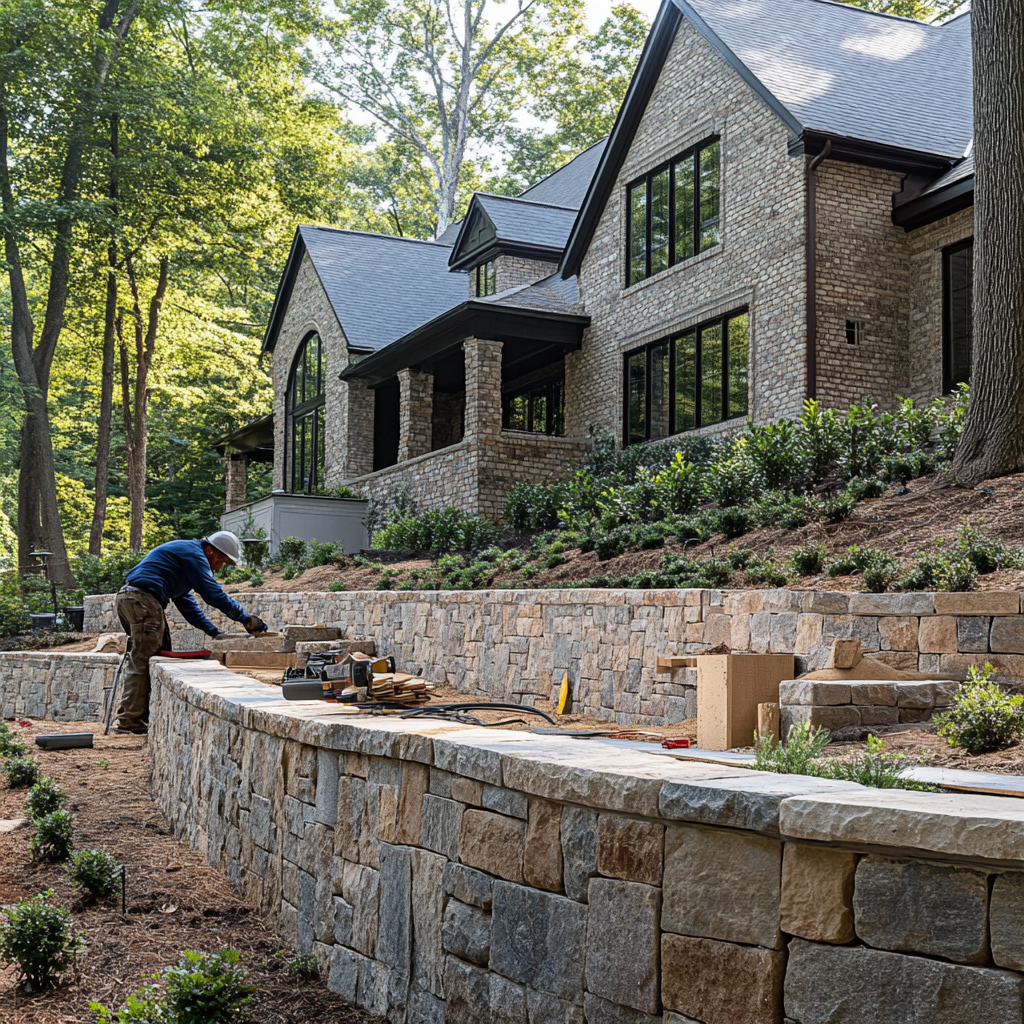
Paver Installation
in Centreville, VA
WC Landscape

Elevate Your Centreville Outdoor Living with Custom Paver Installations

At WC Landscape, we specialize in designing and installing custom paver surfaces that transform Centreville properties into functional and appealing outdoor living spaces. Since 2020, WC Landscape has evolved from a small venture into a full-scale professional operation. Our dedicated team brings substantial industry knowledge, with the owner contributing over 25 years and the co-owner 15 years of experience. This background ensures that every paver project in Centreville benefits from exceptional craftsmanship and attention to detail.

Pavers offer versatility, durability, and a wide range of aesthetic possibilities, making them an excellent choice for Centreville homeowners seeking to enhance their outdoor environment. We focus on creating surfaces that are not only visually appealing but also built to withstand Virginia's diverse weather conditions, providing a long-lasting foundation for relaxation, entertainment, and everyday enjoyment. Our method integrates your ideas with our understanding of paver applications, ensuring a paved area that meets your outdoor living aspirations and complements your home's style.

Fully licensed, insured, and
locally operated in Centreville, VA

Get Your Free
Landscape Consultation

Get in touch with us today
and claim your personalized free quote.

pavers in centreville va
walkways in centreville va
masonry contractor in centreville va

The Versatility of Pavers: Materials and Styles for Your Centreville Property

Pavers are modular paving units that offer significant design flexibility and functional benefits. They come in a wide array of materials, shapes, sizes, and colors, allowing for truly customized outdoor spaces that reflect your style and complement your home's architecture. WC Landscape offers a spectrum of options to personalize your paver installation in Centreville.

Concrete Pavers

Concrete pavers are the most common and versatile type of paver, manufactured to precise standards and available in an extensive range of styles.

  • Manufacturing and Durability: Concrete pavers are made from a dense mix of concrete, aggregates, and pigments, then molded and vibrated to create highly compressed, durable units. They are manufactured to exceed the strength of poured concrete, with a typical compressive strength of 8,000 PSI or higher, making them exceptionally resistant to cracking under freeze-thaw cycles and heavy loads.
  • Design Versatility: Concrete pavers offer unparalleled design flexibility. They can mimic the appearance of natural stone, brick, or even wood through various textures, patterns, and coloring techniques.
    • Shapes and Sizes: Available in numerous shapes (rectangles, squares, interlocking patterns, irregular shapes) and sizes (from small cobbles to large format slabs), allowing for intricate patterns like herringbone, basketweave, or running bond.
    • Colors and Textures: Pigments are added during manufacturing to create a vast color palette, from earth tones and grays to vibrant hues. Textures can range from smooth and polished to rough, tumbled, or embossed to replicate natural materials.
  • Applications: Highly versatile, concrete pavers are suitable for:
    • Patios: Creating beautiful outdoor living areas for dining, lounging, and entertaining.
    • Walkways and Paths: Defining pedestrian routes with elegance and safety.
    • Driveways: Their high strength and flexibility make them ideal for heavy vehicular traffic, resisting cracking better than poured concrete.
    • Pool Decks: Offering a slip-resistant surface that stays cooler than traditional concrete in direct sun.
    • Retaining Walls and Fire Pits: Many concrete paver manufacturers offer matching units for vertical applications, creating a cohesive design.
  • Permeable Concrete Pavers: A specialized type of concrete paver designed with larger voids between units, allowing rainwater to filter through to the sub-base and soil below. These are excellent for stormwater management and reducing runoff.

Clay Brick Pavers

Traditional and timeless, clay brick pavers offer a classic aesthetic with a warm, inviting charm. They are fired in kilns, providing natural color variation and durability.
  • Manufacturing and Durability: Made from natural clay, shale, and water, brick pavers are fired at high temperatures, making them dense, hard, and resistant to fading, chipping, and cracking. Their natural color runs throughout the unit, so any wear is less noticeable.
  • Aesthetic Appeal: Brick pavers bring a historic or rustic appeal, often seen in traditional and colonial architectural styles prevalent in Centreville. Their natural earthy reds, browns, and grays provide a warm, inviting look.
  • Design Options: While typically rectangular, brick pavers can be laid in various patterns, such as herringbone, basketweave, or running bond, to create different visual effects. The authentic texture and slight irregularities add character.
  • Applications: Ideal for:
    • Patios: Creating a charming and inviting outdoor space.
    • Walkways and Paths: Providing a classic, durable surface for pedestrian traffic.
    • Edging and Borders: Often used as decorative borders for other paving materials or garden beds.
    • Driveways: While durable, they are typically not as strong as concrete pavers for very heavy loads, though they can be suitable for residential driveways with a properly designed base.

Natural Stone Pavers (Flagstone, Travertine, Bluestone, Granite)

Natural stone pavers offer unparalleled beauty, uniqueness, and a high-end aesthetic. Each stone is unique, with natural variations in color, texture, and veining.
  • Flagstone: Irregularly shaped, flat pieces of natural stone (often sandstone, slate, or limestone) that create an organic, rustic, or naturalistic look.
    • Characteristics: Varies greatly in color (grays, blues, browns, reds), thickness, and size. Provides a textured, non-slip surface.
    • Applications: Widely used for patios, garden paths, and stepping stones where an organic, free-form aesthetic is desired.
  • Travertine: A type of limestone formed by mineral springs, known for its porous surface and soft, earthy tones.
    • Characteristics: Typically comes in shades of beige, tan, cream, and gray. Its natural porosity makes it slip-resistant, and it stays cool to the touch in hot weather. Often filled and honed for a smoother surface.
    • Applications: Popular for pool decks, patios, and walkways, especially in warmer climates, due to its cool surface and elegant appearance.
  • Bluestone: A dense, durable sandstone, often recognized by its blue-gray color, though it can also have shades of brown, green, and purple.
    • Characteristics: Available in irregular flagstone shapes or cut into geometric patterns (thermal bluestone has a flamed, slip-resistant surface). Highly durable and weather-resistant.
    • Applications: Excellent for patios, walkways, steps, and pool surrounds, offering a sophisticated and natural appearance.
  • Granite: An igneous rock known for its hardness, durability, and classic speckled appearance.
    • Characteristics: Extremely dense and resistant to scratches, stains, and weather. Available in various colors (grays, pinks, blacks, whites) and finishes (flamed, polished, bush-hammered).
    • Applications: Often used for high-end patios, driveways, and borders, providing a refined and long-lasting surface. Granite cobblestones are also popular for rustic driveways and accents.
  • Durability and Maintenance: Natural stone pavers are incredibly durable and long-lasting. Maintenance involves regular cleaning and periodic sealing to protect against stains and enhance their natural beauty.
By offering these diverse paver materials and styles, WC Landscape ensures that every paver project in Centreville is custom-tailored to the client’s preferences, budget, and the specific functional and aesthetic requirements of their outdoor space. Our expertise guides you through the selection process to identify the ideal paving solution for your home.

Designing Your Paver Installation in Centreville

The design phase for a paver installation is a collaborative process at WC Landscape, where your aspirations meet our technical and creative expertise. A well-conceived design is fundamental to a paver area that is both beautiful and functional, seamlessly integrating with your Centreville home and landscape.

Initial Consultation and Site Analysis

Every successful paver project begins with a thorough initial consultation and detailed site analysis. This first step allows us to understand your vision, needs, and how your outdoor space functions.

  • Understanding Your Vision: We start by listening to your ideas for your new paver area. What is its primary purpose? Do you envision a space for quiet relaxation, lively entertaining, outdoor dining, a functional driveway, or a beautiful walkway? What aesthetic style do you prefer – modern, traditional, rustic? We discuss your preferences for paver material, color, texture, shape, size, and any specific features you wish to include.
  • Assessing Site Conditions: Our team conducts a detailed assessment of your Centreville property. This involves:
    • Topography and Grade: Examining the existing slopes and contours of your land is essential for proper drainage planning and determining the most suitable location and elevation for your paver surface. This helps us decide if steps or retaining elements might be necessary.
    • Soil Composition: Understanding the soil type, particularly Centreville’s prevalent clay soils, is critical for preparing a stable sub-base. Clay soils require specific techniques to ensure proper drainage and prevent future shifting or settling of the pavers.
    • Sunlight Exposure: We observe how sunlight and shade patterns shift throughout the day and across seasons. This informs the paved area’s placement, helping to determine if shade structures are needed or if certain areas will receive direct sun.
    • Existing Drainage Patterns: Identifying current water flow and potential problem areas helps us design a paver system with appropriate grading and drainage solutions to prevent water accumulation near your home’s foundation or on the paver surface.
    • Utility Locations: We identify the locations of all underground utilities (Miss Utility markings are obtained to prevent damage) to ensure the paver area can be installed safely without interfering with water lines, gas lines, electrical conduits, or septic systems.
    • Existing Landscape Integration: We assess how the new paver installation will integrate with existing landscaping, garden beds, trees, and other hardscape elements. The goal is to create a harmonious flow and avoid disrupting established plant life or existing features.
    • Accessibility and Flow: We consider how people or vehicles will move to and from the paver area, designing convenient access points from your home and other areas of the yard.
This comprehensive analysis ensures that the paver design is not only visually appealing but also structurally sound, functional, and tailored to the specific environmental conditions of your Centreville property.

Custom Design Development

Based on the insights gathered during the consultation and site analysis, our design team develops a custom paver installation plan. This creative and technical phase translates your vision into a detailed, executable design.

  • Conceptual Layouts and Sketches: We begin by developing conceptual layouts and sketches that illustrate different possibilities for your paver area’s size, shape, and placement. This allows you to visualize various options and helps us narrow down the design direction.
  • Detailed Plans and Specifications: Once a concept is approved, we create detailed construction plans. These plans specify:
    • Dimensions and Shape: Precise measurements and the exact contours of the paver area.
    • Elevation and Grading: Detailed information on the paver area’s height relative to your home and yard, including the necessary pitch for drainage.
    • Material Specifications: The type of pavers (e.g., concrete, brick, natural stone), chosen color, texture, and pattern.
    • Base Material and Depth: Specifications for the type and thickness of the aggregate base and bedding layer.
    • Edge Restraints: The type and placement of edge restraints to prevent paver movement.
    • Integration with Other Features: How the paver area will connect with steps, retaining walls, or surrounding landscape elements.
  • Visual Renderings (Optional): For complex designs, we may provide 3D renderings or digital visualizations that allow you to see a realistic preview of your finished paver area within your landscape. This helps in making final decisions about design elements and material choices.
  • Material Samples: We provide samples of paver materials, colors, and textures to help you make informed decisions. Seeing and feeling the materials in person helps you visualize the outcome.
  • Budget Alignment: Throughout the design process, we maintain transparency regarding costs, ensuring that the design aligns with your budget while still achieving your desired aesthetic and functional goals.
This collaborative design development process ensures that the final paver plan is tailored to your preferences, site conditions, and budget, providing a clear roadmap for a successful installation.

Incorporating Design Elements and Features

Beyond the basic paved surface, a paver installation can be enhanced with various design elements and features that increase its functionality, beauty, and appeal. WC Landscape can integrate these elements into your custom paver design.

  • Borders and Banding: Different colored or shaped pavers can be used to create decorative borders, bands, or intricate patterns within the main paving area. This adds visual interest and can define different zones or pathways.
  • Built-in Seating and Walls: Low seating walls or retaining walls constructed from matching or contrasting wall blocks can be integrated directly into the paver design, offering permanent seating or defining garden spaces.
  • Fire Pits and Fireplaces: A custom fire pit or outdoor fireplace, often built with segmental wall blocks or natural stone, can be a central gathering point, providing warmth and ambiance. These features are designed with safety in mind and are seamlessly integrated into the paver layout.
  • Outdoor Kitchen Elements: For the ultimate outdoor entertaining experience, we can design the paver area to accommodate built-in grill islands, countertops, and other outdoor kitchen components, creating a dedicated culinary space.
  • Steps and Level Changes: If your yard has varying elevations, custom paver steps or natural stone steps can be designed to provide graceful transitions between different areas of your paver installation or between the pavers and the lawn. Multi-level paver patios add architectural interest.
  • Lighting Integration: Low-voltage landscape lighting can be integrated into the paver design, illuminating pathways, highlighting features, and extending the usability of your outdoor space into the evening. Paver lights can be flush-mounted into the surface.
  • Water Features: Small fountains or decorative water features can be incorporated into or adjacent to paver areas, adding soothing sounds and visual appeal.
By thoughtfully incorporating these design elements, WC Landscape creates custom paver installations that are not just functional surfaces but true extensions of your Centreville home, tailored for your specific lifestyle and aesthetic preferences.

Paver Installation Process

The installation of pavers is a multi-step process that requires precision, proper techniques, and adherence to industry standards to ensure a durable and long-lasting result. WC Landscape’s experienced team follows a methodical approach, paying meticulous attention to every detail from start to finish.

Site Preparation and Excavation

Thorough site preparation is the foundation of any successful paver installation. This crucial first phase ensures a stable and well-drained base, preventing future issues like shifting, settling, or unevenness.

  • Marking and Layout: Based on the approved design plans, the paver area is precisely marked out on the ground. This involves using stakes, string lines, or spray paint to define the exact dimensions, shape, and curves of the paver area. Accurate layout is crucial for ensuring the finished installation matches the design specifications.
  • Excavation: The marked area is excavated to the required depth, which is determined by the type of paver, the intended use (pedestrian vs. vehicular traffic), and local soil conditions. This depth typically ranges from 6 to 12 inches, allowing for the proper thickness of the sub-base, bedding layer, and pavers themselves. All organic matter, topsoil, and debris are removed.
  • Grading the Subgrade: The exposed subgrade (the soil beneath the base) is then carefully graded to create a slight slope, known as a “pitch,” which directs water away from the house and towards a designated drainage area. A minimum pitch of 1/8 to 1/4 inch per foot is standard for proper surface drainage. This also helps in directing any water that infiltrates the paver joints.
  • Compaction of Subgrade: Once graded, the exposed subgrade is compacted using a vibratory plate compactor. This step removes air pockets and increases the density of the soil, providing a firm, stable base that minimizes future settlement of the paver system. This is especially important in Centreville’s clay soils, which can be prone to movement.
  • Installation of Geotextile Fabric (Optional but Recommended): In some cases, particularly with unstable or clay soils, a geotextile fabric is laid directly over the compacted subgrade. This fabric acts as a separation layer, preventing the sub-base aggregate from mixing with the underlying soil, which could compromise stability. It also aids in drainage and reinforces the base.
Proper site preparation sets the stage for a paver installation that will maintain its structural integrity and aesthetic appeal for many years.

Base Installation

The base for a paver installation is critical for its longevity and stability. It provides uniform support, allows for proper drainage, and distributes loads evenly.
  • Aggregate Sub-Base (Base Material): A layer of crushed stone or gravel, typically 4 to 10 inches deep depending on the application (thicker for driveways), is spread evenly over the compacted subgrade (or geotextile fabric). This base material should be a well-graded aggregate that compacts densely and allows for drainage.
  • Compaction of Sub-Base: The aggregate sub-base is then thoroughly compacted in multiple lifts (layers of 2-4 inches at a time) using a vibratory plate compactor. Each lift is compacted to maximize density and eliminate voids. Proper compaction prevents future settlement and ensures a solid foundation for the pavers. Water is often applied during compaction to aid in achieving maximum density.
  • Screeded Sand Bedding Layer: A uniform layer of coarse concrete sand (typically 1 inch thick) is then spread over the compacted aggregate base. This sand layer, also known as the bedding layer, is screeded to a precise, level, and consistent thickness using screed rails and a straight edge. The sand bedding layer provides a smooth surface on which the pavers are set and allows for minor adjustments during installation. It also acts as a cushion and helps distribute loads.

Laying the Pavers

This is the phase where the chosen pavers are carefully placed according to the design plan. Precision and attention to detail are paramount to achieve a level and aesthetically pleasing surface.
  • Starting Point: Pavers are typically laid from a fixed starting point, such as a building or a straight edge, to ensure straight lines and consistent spacing. For patios, this often means working away from the house.
  • Paver Placement: Each paver is carefully set directly onto the screeded sand bedding layer. Pavers are placed snugly against each other without forcing them, leaving a small, consistent joint space (typically 1/8 to 1/4 inch) as recommended by the manufacturer. This joint space is crucial for allowing the pavers to interlock and for later sand filling.
  • Pattern and Alignment: The installers follow the chosen laying pattern (e.g., herringbone, running bond, basketweave). String lines or other guides are used to maintain straight lines and consistent patterns. Pavers are checked frequently for proper alignment and levelness.
  • Cuts: When pavers meet edges, curves, or obstacles, they often need to be cut. This is done using a diamond blade wet saw or a paver splitter, ensuring clean and precise cuts that fit tightly against borders or obstacles.
  • Initial Compaction (Optional but Recommended): Once a section of pavers is laid, a light pass with a plate compactor may be performed over protective padding to gently settle the pavers into the sand bed and achieve a more uniform surface before edge restraints are installed.

Edge Restraints and Joint Filling

These final steps are critical for stabilizing the paver system, preventing lateral movement, and locking the pavers into place.
  • Installation of Edge Restraints: Edge restraints are installed around the entire perimeter of the paver area. These can be plastic, aluminum, or concrete curbing. They are typically spiked into the aggregate base to provide a strong, unyielding border that prevents the pavers from spreading or shifting laterally over time due to traffic or frost heave.
  • Spreading and Sweeping Joint Sand: Once all pavers are laid and edge restraints are secured, polymeric sand or regular fine joint sand is spread over the entire surface of the pavers. This sand is then swept into the joints between the pavers using a broom.
  • Final Compaction and Water Activation: A vibratory plate compactor (with a rubber pad to protect the paver surface) is used to make several passes over the entire paved area. This vibration causes the joint sand to settle deeply and tightly into the paver joints, locking the pavers together and enhancing the interlock system. For polymeric sand, the surface is then lightly misted with water according to the manufacturer’s instructions. The water activates the polymers in the sand, causing it to harden and form a durable, weed-resistant, and insect-resistant joint. For regular joint sand, the sweeping and compaction process creates mechanical interlock.
  • Final Cleanup: After the joint sand has set (for polymeric sand) or settled, any excess sand or debris is thoroughly cleaned from the surface.
By meticulously executing these installation steps, WC Landscape delivers a paver installation that is not only visually appealing but also structurally sound, highly durable, and designed for longevity in Centreville’s outdoor environment.

Why Centreville Homeowners Choose
WC Landscape for Paver Installations

WC Landscape has built a reputation as a dependable and customer-focused service provider. When selecting a contractor for your paver installation in Centreville, our dedication to exceptional quality, profound local expertise, and unwavering client satisfaction sets us apart. We prioritize long-term relationships and word-of-mouth referrals, recognizing that satisfied clients are the best advertisement for our services.

Local Climate and Soil Expertise

Centreville's unique climate and soil conditions demand specialized knowledge for paver installations. Our deep understanding of these local factors allows us to implement solutions that ensure the longevity and stability of your paver surface.

  • Addressing Centreville’s Clay Soils: Centreville is characterized by heavy clay soils. These soils present specific challenges for paver foundations, as they can expand when wet and contract when dry, potentially leading to movement, shifting, or unevenness in paver installations. Our expertise includes:
    • Enhanced Sub-Base Preparation: We implement proper excavation depths and multi-layer compaction techniques for the subgrade and aggregate base. This creates a stable, well-drained foundation that mitigates the effects of clay soil expansion and contraction.
    • Drainage Solutions: We design and install proper drainage systems beneath and around the paver area to prevent water from saturating the clay subgrade, thereby reducing hydrostatic pressure and movement.
    • Geotextile Fabric Use: In specific instances with problematic clay soils, we may incorporate geotextile fabric to separate the base material from the clay, maintaining the integrity of the aggregate layer.
  • Managing Virginia’s Climate Extremes: Virginia experiences a range of temperatures, from hot, humid summers to freezing winters with thaw cycles. These temperature fluctuations can affect the stability of a paver system if not properly installed. Our approach accounts for these conditions:
    • Flexible System Design: Unlike poured concrete, pavers are a flexible system, allowing for natural expansion and contraction with temperature changes. Our installation methods leverage this flexibility to prevent cracking that is common with rigid surfaces.
    • Proper Base Depth and Compaction: A deep, well-compacted aggregate base is critical for resisting frost heave (the upward movement of soil due to freezing water) and ensuring the pavers remain level through winter.
    • Quality Joint Sand: We use high-quality joint sand, often polymeric sand, which hardens to provide a strong interlock that resists weed growth and ant infestation, while still allowing for a degree of flexibility in the system.
Our localized expertise means your paver installation is designed and built to perform excellently and endure gracefully in Centreville’s specific environmental conditions.

Uncompromising Quality and Craftsmanship

At WC Landscape, our commitment to quality is unwavering. We pride ourselves on delivering superior services with a customer-first approach. We refuse to compromise on the quality of materials or the integrity of our construction methods, recognizing that these are the pillars of a successful, lasting paver installation.

  • Premium Materials Sourcing: We source only high-quality pavers from reputable manufacturers known for their durability, color retention, and consistent sizing. We also use premium base materials and joint sands that meet industry standards for strength and performance.
  • Adherence to Industry Best Practices: Our installation practices adhere to, and often surpass, industry standards for segmental paving. This includes meticulous attention to excavation depth, sub-base compaction in lifts, precise screeding of the bedding layer, and proper paver laying and compaction techniques. Every step is executed with care and precision.
  • Skilled and Experienced Craftsmen: Our installation team comprises highly skilled and experienced paver installers and craftsmen. They possess the expertise required for precise laying patterns, cutting irregular shapes, and achieving a perfectly level and stable surface. Their attention to detail and mastery of paver work translate directly into a superior finished product.
  • Rigorous Quality Control: Throughout every phase of the project, from initial grading to final joint sand application, our team conducts rigorous quality control checks. We monitor base compaction, verify proper pitch, and inspect the finished surface to ensure it meets our exacting standards and your expectations.
  • No-Payment-Until-Satisfied Policy: Our confidence in our work is reflected in our “no-payment-until-satisfied” policy. This means you don’t pay until the job meets or exceeds your expectations, providing you with peace of mind and demonstrating our dedication to quality workmanship and client satisfaction.
Choosing WC Landscape means investing in a paver installation built with integrity, designed to provide enduring beauty, functionality, and lasting value for your Centreville home.

Integrated Design Philosophy

A paver installation should not be a standalone feature but an integral part of your overall outdoor living environment. WC Landscape approaches paver design with a holistic philosophy, creating solutions that integrate seamlessly with your existing landscape, architectural style, and outdoor living goals.

  • Harmonious Flow: We design the paver area’s shape, size, and placement to create a natural flow from your home to other areas of your yard. The transitions between the paved surface and adjacent lawns, garden beds, or existing pathways are carefully considered to achieve a cohesive and inviting outdoor space.
  • Aesthetic Cohesion: We collaborate with you to select paver materials, colors, and patterns that complement your home’s exterior materials, architectural style, and the surrounding natural environment. Whether your home is traditional, modern, or rustic, we ensure the paver area enhances its existing aesthetic, rather than clashing with it.
  • Functional Zoning: For larger paver patios or driveways, we can design distinct zones for different activities, such as a dining area, a lounge space, or a parking area, using subtle changes in paver pattern, color, or by incorporating borders and banding.
  • Softscape Integration: We consider how planting beds and softscape elements will interact with the paver edges. Strategic planting can soften the lines of the pavers, provide shade, add privacy, or incorporate seasonal color and texture, creating a balanced and vibrant outdoor scene.
  • Drainage and Water Management: Our designs always incorporate solutions for proper drainage, ensuring that water is effectively directed away from your home’s foundation and the paver surface. This protects your property and the longevity of the hardscape. For permeable paver systems, this means designing the sub-base for maximum infiltration.
Our integrated design philosophy ensures that your paver installation is not just a surface but a fundamental, beautiful, and highly functional component of your complete Centreville outdoor living experience.

Client-Centered Approach

At WC Landscape, our mission extends beyond constructing paver surfaces; it is about building relationships. We operate with an unwavering commitment to client satisfaction, recognizing that our clients are our best advocates.

  • Transparent Communication: We maintain open and transparent communication throughout the entire project lifecycle, from the initial consultation to project completion. We keep you informed about progress, discuss any potential challenges, and answer your questions promptly and clearly. We prioritize active listening to ensure we fully grasp your needs and preferences.
  • Personalized Service: We understand that every Centreville home and homeowner is unique. Our services are tailored to your specific requirements, ensuring that your paver installation is a true reflection of your vision, lifestyle, and budget. We provide personalized advice and recommendations at every stage.
  • Responsive and Accessible: Our team is readily available to address your concerns and respond to your inquiries. We believe that a responsive and accessible service builds trust and ensures a smooth, stress-free project experience.
  • Respect for Your Property: We treat your property with the utmost respect. Our team maintains a clean and organized work site, minimizing disruption to your daily life and ensuring a thorough cleanup upon project completion.
  • Post-Project Support: Our commitment to your satisfaction does not end with the installation. We provide valuable guidance on how to care for and maintain your new paver surface, helping you preserve its beauty and extend its lifespan. We are also available to address any questions or minor issues that may arise after the project is finished.
By prioritizing your needs and providing exceptional service, WC Landscape strives to not only deliver a superior paver installation but also to foster a long-term relationship built on reliability, trust, and a shared passion for creating beautiful outdoor spaces in Centreville.

Get in touch with us today
and claim your personalized free quote.

Maintaining Your Paver Surfaces in Centreville

Proper maintenance is essential to preserve the beauty, functionality, and longevity of your paver patio, walkway, or driveway, especially in Centreville's varying climate conditions. Regular care will protect your investment and keep your outdoor living space looking its best for years to come.

Routine Cleaning

Regular cleaning is the simplest and most effective way to maintain your paver surfaces.

  • Sweeping and Rinsing: Regularly sweep or blow off loose dirt, leaves, and debris. This prevents organic matter from decomposing and potentially staining the surface or accumulating in joints, which can lead to weed growth. Follow with a hose rinse to remove any fine particles.
  • Mild Detergent Washing: For more thorough cleaning, particularly after seasonal changes or heavy use, use a solution of mild dish soap or a specialized paver cleaner mixed with water. Apply with a stiff-bristled broom or brush, scrub the surface, and then rinse thoroughly with a hose or pressure washer on a low setting. A pressure washer can be effective for removing stubborn dirt, but use caution with decorative finishes and keep the nozzle at a safe distance to avoid disturbing the joint sand or damaging the paver surface.
  • Addressing Algae and Moss: In damp or shaded areas, algae and moss can grow on pavers, making them slippery and unsightly. A solution of bleach diluted with water (1 part bleach to 3 parts water) or a commercial algae cleaner designed for pavers can be effective. Apply, let it sit for a few minutes, scrub, and rinse thoroughly. Always wear protective gear and be mindful of surrounding plants.

Stain Removal

Addressing stains promptly is key to preventing them from permeating and permanently discoloring your paver surfaces. Different types of stains require specific treatment methods.

  • Oil and Grease Stains: For fresh stains, blot immediately with paper towels. For set-in stains, apply an absorbent material like cat litter, sawdust, or baking soda to soak up the oil, then sweep it away. Follow with a degreaser specifically designed for pavers, scrub, and rinse. Repeated applications may be necessary.
  • Rust Stains: These often appear from metal furniture, tools, or fertilizers. Use a commercial rust remover designed for pavers. Avoid acid-based cleaners, as they can etch the surface or alter the color of some pavers. Follow product instructions carefully.
  • Organic Stains: Leaves, berries, dirt, or mildew can leave stains. A solution of hydrogen peroxide or a bleach-free oxygen cleaner can be effective. For stubborn organic stains, a poultice (a paste of absorbent material and a chemical cleaner) can be applied, covered, and allowed to draw the stain out.
  • Efflorescence: This is a white, powdery residue that can appear on paver surfaces, caused by water carrying salts to the surface as it evaporates. It typically resolves naturally over time with rain and use. For persistent efflorescence, a diluted vinegar solution (1 part vinegar to 4 parts water) or a commercial efflorescence cleaner can be used, followed by scrubbing and rinsing.

Always test any cleaning solution or stain remover in an inconspicuous area first to confirm it won't damage or discolor your paver surface.

Sealing Your Paver Surfaces

Sealing is a protective measure that significantly extends the life and maintains the appearance of your paver surfaces. It creates a barrier against moisture, stains, and abrasion, while also enhancing color.

  • Benefits of Sealing:
    • Stain Resistance: A sealer makes the pavers less porous, preventing oil, grease, food spills, and organic matter from penetrating and causing stains.
    • Moisture Protection: It helps prevent water absorption, which is critical for pavers in Centreville’s freeze-thaw cycles, reducing the risk of cracking, spalling, and deterioration.
    • Color Enhancement and UV Protection: Many sealers can deepen and enrich the color of pavers, giving them a “wet look” or a subtle sheen. They also provide UV protection, preventing fading from sun exposure.
    • Weed and Insect Inhibition: Sealers, especially those that stabilize joint sand, can help prevent weed growth and insect infestation in the paver joints.
    • Abrasion Resistance: Sealers add a layer of protection against wear from foot traffic and vehicular traffic (for driveways).
  • Types of Sealers:
    • Film-Forming Sealers (Acrylic): These create a protective layer on the surface, often enhancing color and providing a glossy or satin finish.
    • Penetrating Sealers: These soak into the paver material without forming a surface film, protecting from within while maintaining the paver’s natural appearance and slip resistance.
  • Application Frequency: Generally, paver surfaces should be re-sealed every 2 to 5 years, depending on the type of sealer, traffic, weather exposure, and the specific paver material. High-traffic areas or pavers exposed to harsh conditions may require more frequent re-sealing. Always clean the pavers thoroughly and ensure joints are properly filled before applying a new coat of sealer.

Weed and Ant Control in Paver Joints

Weeds and ants can be persistent problems in paver joints, but effective solutions are available.

  • Polymeric Sand: Using polymeric sand during installation or re-sanding is the most effective long-term solution. When activated with water, polymeric sand hardens to create a durable, flexible joint that resists weed seed germination and ant burrowing.
  • Regular Cleaning: Sweeping and rinsing pavers frequently helps to remove organic debris and weed seeds before they can establish in the joints.
  • Weed Removal: For existing weeds, manual removal is often effective. For widespread issues, targeted weed killers designed for paved surfaces can be used, following product instructions carefully to avoid harming surrounding plants.
  • Ant Control: For ant infestations, apply ant bait products specifically designed for outdoor use or a contact insecticide directly to the affected areas, again following product directions. Ensuring polymeric sand is properly installed and maintained greatly reduces ant problems.

Repairing Paver Surfaces

One of the significant advantages of pavers is their reparability. Unlike poured concrete, damaged pavers can often be replaced without demolishing the entire surface.

  • Addressing Unevenness or Sinking: If individual pavers or sections begin to settle or become uneven due to base issues or drainage, they can often be lifted, the base material adjusted and re-compacted, and the pavers re-laid. This preserves the existing pavers and avoids a full replacement.
  • Replacing Damaged Pavers: If a paver is cracked, chipped, or severely stained, it can be carefully removed and replaced with a new, matching unit. This is a relatively simple process that restores the appearance of the paved area without extensive demolition.
  • Joint Sand Replenishment: Over time, joint sand can erode due to rain, traffic, or cleaning. It should be replenished as needed, using polymeric sand for durable, weed-resistant joints.
By following these maintenance guidelines and addressing issues promptly, your paver patio, walkway, or driveway will remain a beautiful, durable, and functional extension of your Centreville home for many years.

Benefits of Pavers for Centreville Properties

Choosing pavers for your outdoor surfaces offers numerous advantages over other materials, making them a popular and wise investment for Centreville homeowners seeking durability, aesthetic appeal, and long-term value.

Durability and Longevity

Pavers are renowned for their strength and ability to withstand significant loads and environmental stresses, ensuring a long-lasting outdoor surface.

  • High Compressive Strength: Individually manufactured pavers, especially concrete pavers, are produced under high pressure and vibration, resulting in a much higher compressive strength (often 8,000 PSI or more) than poured concrete (typically 3,000-4,000 PSI). This makes them incredibly durable under heavy foot traffic and vehicular loads (for driveways).
  • Resistance to Freeze-Thaw Cycles: Unlike rigid surfaces like poured concrete, which are prone to cracking from Centreville’s freeze-thaw cycles, pavers are a flexible system. The individual units and the aggregate base allow for slight movement with ground shifts or temperature changes without cracking the entire surface. This inherent flexibility is key to their longevity in varying climates.
  • Load Distribution: The interlocked system of pavers, combined with a properly prepared and compacted aggregate base, effectively distributes loads over a wider area. This reduces stress on individual units and the underlying soil, preventing localized settling.
  • Long Lifespan: When properly installed and maintained, paver surfaces can last for 30 years or more, often outperforming other paving materials in terms of durability and requiring less frequent replacement.

Flexibility and Repairability

One of the most significant practical advantages of pavers is their modular nature, which allows for unparalleled flexibility and ease of repair.

  • No Cracking: As mentioned, because pavers are individual units with joints, they absorb movement from temperature changes and ground shifts without cracking the entire surface, unlike poured concrete. Any movement is distributed across the joints, maintaining the integrity of the surface.
  • Individual Unit Replacement: If an individual paver becomes stained, cracked, or damaged, it can be removed and replaced with a new, matching unit without disrupting the surrounding pavers or requiring extensive demolition of the entire paved area. This is a cost-effective and efficient repair method that maintains the aesthetic and structural integrity of the surface.
  • Accessibility to Underground Utilities: The ability to lift and re-lay individual pavers also means that access to underground utilities (water lines, irrigation pipes, electrical conduits) beneath the paved area is far simpler and less disruptive than with poured concrete or asphalt. After repairs, the pavers can be reinstalled, leaving virtually no sign of the disturbance.

Aesthetic Appeal and Customization

Pavers offer a wide array of design possibilities, allowing for unique and visually appealing outdoor spaces.

  • Diverse Material Options: As detailed in earlier sections, pavers come in various materials (concrete, brick, natural stone), each with its own character.
  • Vast Color Palette: From subtle earth tones and grays to vibrant reds and multi-color blends, the pigments integrated into concrete pavers or the natural hues of brick and stone offer an extensive color range to match any architectural style or landscape design.
  • Unlimited Patterns and Textures: Pavers can be laid in countless patterns (herringbone, basketweave, running bond, circular, random) to create visual interest and define different zones. Textures can mimic natural stone, worn brick, or offer smooth contemporary surfaces. This allows for truly personalized designs.
  • Integrated Design Elements: The modular nature of pavers facilitates the integration of borders, banding, contrasting patterns, built-in features (like seating walls or fire pits), and lighting, creating a cohesive and highly customized outdoor living environment.
  • Curb Appeal and Property Value: A beautifully designed and expertly installed paver patio, walkway, or driveway significantly enhances the curb appeal and overall property value of your Centreville home, making it a valuable asset.

Drainage and Permeability Options

Pavers offer excellent solutions for managing surface water, with options for traditional runoff or advanced stormwater infiltration.

  • Joints for Surface Drainage: Even with traditional pavers, the small joints between units, filled with sand, allow some surface water to filter through, reducing ponding.
  • Permeable Pavers: This specialized system allows for significant stormwater infiltration. The pavers themselves are designed with larger spacer bars or voids, and the base consists of open-graded aggregates, creating a reservoir that allows rainwater to slowly seep into the ground.
    • Environmental Benefits: Permeable pavers help reduce stormwater runoff, minimize the burden on municipal storm drains, prevent erosion, recharge groundwater, and can help mitigate the urban heat island effect by allowing water to evaporate and cool the surface.
    • Reduced Impervious Surface: For properties facing impervious surface regulations, permeable pavers offer a solution to expand usable paved areas while maintaining or improving stormwater management.
By combining superior durability, repairability, vast aesthetic possibilities, and effective drainage solutions, pavers provide Centreville homeowners with a versatile and valuable investment for their outdoor spaces.

Your Premier Landscaping & Tree Care Experts in Virginia

With a team of 50 skilled professionals and over 40 years of combined experience, we deliver high-quality, customized landscaping solutions designed to improve both the beauty and functionality of your property.

Addressing Common Challenges and Solutions in Paver Installations

Even with careful planning, paver installations can encounter various challenges. WC Landscape’s experience and expertise allow us to anticipate and effectively address these common issues, ensuring the successful and lasting quality of your Centreville paver surface.

Paver Shifting or Sinking

Unevenness or sinking pavers can create tripping hazards and detract from the appearance of your paved area.

  • Challenge: Pavers can shift or sink if the underlying base material is not properly compacted, if the subgrade is unstable, if edge restraints are inadequate, or if water infiltration erodes the base.
  • WC Landscape Solution:
    • Meticulous Site Preparation and Compaction: We ensure the subgrade is properly graded and thoroughly compacted. The aggregate base is installed in multiple lifts (layers), and each lift is compacted to maximum density using appropriate vibratory compaction equipment. This creates a solid, uniform foundation.
    • Robust Edge Restraints: We install durable edge restraints around the entire perimeter of the paver area, securely spiked into the compacted base. These restraints prevent lateral movement of the pavers and contain the bedding sand and aggregate base.
    • Proper Drainage: Our designs incorporate a precise pitch to ensure surface water drains effectively. For areas with high groundwater or problematic soils, we may install subsurface drainage systems (e.g., perforated pipes within the base) to prevent water from saturating and compromising the base.
    • Geotextile Fabric: In instances of unstable subgrade, a geotextile fabric is used to separate the base material from the underlying soil, preventing migration and maintaining the integrity of the base.

Weed Growth and Ant Infestation

Weeds sprouting through paver joints and ant nests beneath pavers are common annoyances.

  • Challenge: Weed seeds can germinate in the joint sand, and ants can build colonies by excavating sand from beneath the pavers, leading to unsightly growth and unstable areas.
  • WC Landscape Solution:
    • Polymeric Sand Application: We use high-quality polymeric sand to fill the paver joints. When activated with water, this sand hardens to form a durable, flexible bond that significantly inhibits weed seed germination and prevents ants from burrowing into the base.
    • Proper Joint Filling: We ensure that the joints are filled with sand and properly compacted during installation. This leaves no room for weed seeds to take root or ants to establish.
    • Regular Maintenance Guidance: We advise clients on routine sweeping and rinsing to remove organic debris and any new weed seeds before they can establish.
    • Integrated Pest Management: For persistent ant issues, we can recommend environmentally sensitive pest management strategies that do not harm the pavers or the surrounding landscape.

Efflorescence

This white, powdery film on the surface of pavers can be unsightly, though it is usually harmless to the paver itself.

  • Challenge: Efflorescence is a natural phenomenon where soluble salts within the paver or bedding sand migrate to the surface as moisture evaporates, leaving a white deposit. It is more common in new installations or during periods of high moisture.
  • WC Landscape Solution:
    • Proper Base Drainage: Ensuring the aggregate base drains well helps minimize the amount of moisture sitting under the pavers, which can reduce salt migration.
    • Quality Pavers: We use high-quality pavers that are less prone to efflorescence due to their dense composition.
    • Natural Weathering: Often, efflorescence will disappear naturally over time with rain and sun exposure.
    • Specific Cleaners: For stubborn efflorescence, we recommend and can apply commercial efflorescence cleaners designed for pavers. These products are formulated to dissolve the salt deposits without damaging the paver surface.
    • Sealing: Once the efflorescence process has largely subsided, applying a paver sealer can help prevent its recurrence by creating a barrier to moisture absorption.

Settling Near Edges or Obstacles

Localized settling can occur where pavers meet structures or where traffic is concentrated.

  • Challenge: Pavers can settle more easily near house foundations, curbs, or other fixed objects if the base preparation or compaction is not uniform around these areas.
  • WC Landscape Solution:
    • Meticulous Hand Compaction: Our installers pay special attention to compacting the base material thoroughly with hand tampers around confined areas and edges where large compaction equipment cannot reach effectively.
    • Strong Edge Restraints: We ensure that edge restraints are correctly installed and securely anchored to the base, providing a firm border that prevents paver movement at the perimeter.
    • Proper Backfill: The soil adjacent to the paver edge restraints is properly backfilled and compacted to provide additional support and prevent erosion.

By proactively addressing these common challenges through meticulous planning, skilled execution, and quality materials, WC Landscape constructs paver installations in Centreville that are resilient, beautiful, and provide lasting enjoyment.
residential wc landscapes
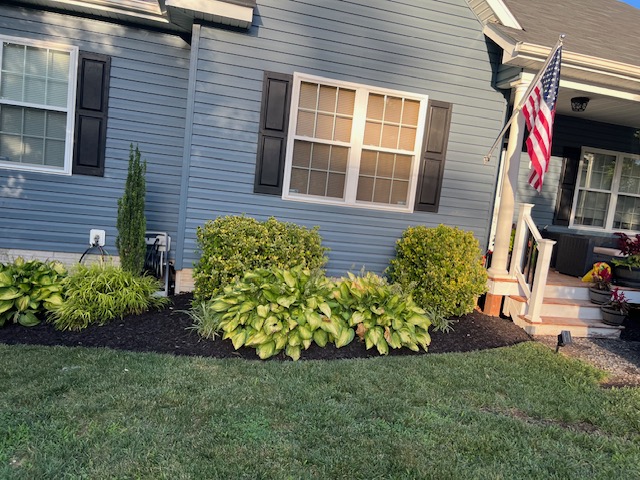
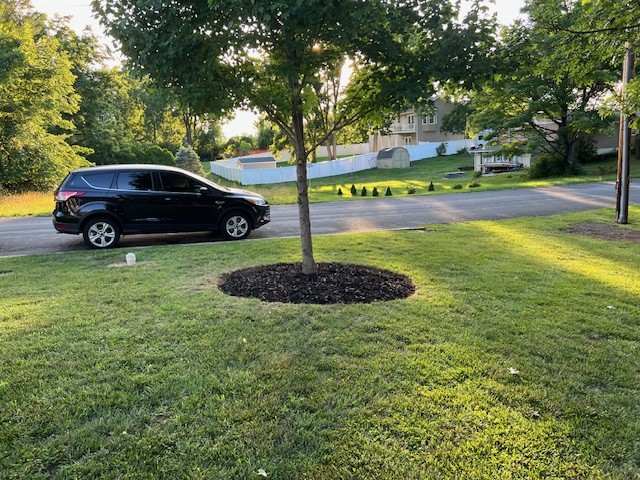
Mulching in centerville
professional landscape design centreville va

Paver Project Examples in Centreville

WC Landscape has a history of transforming outdoor spaces in Centreville with custom paver installations. While each project is unique, these examples illustrate the diverse possibilities and our expertise in delivering tailored solutions.

The Elegant Patio and Walkway System

  • Client Need: A Centreville homeowner desired a sophisticated outdoor living space that connected seamlessly from their back door to a newly built garden shed, with areas for both dining and relaxation. They preferred a classic, refined aesthetic.
  • WC Landscape Solution: We designed and installed a spacious concrete paver patio in a herringbone pattern, using large rectangular pavers in charcoal gray. The patio was bordered by a lighter gray contrasting paver, creating a defined edge. A curvilinear paver walkway, using matching pavers in a running bond pattern, gracefully extended from the patio to the garden shed. The design incorporated a subtle pitch for efficient drainage, ensuring water moved away from both the home and the shed. The final touch included a built-in paver fire pit as a central gathering point on the patio, creating an elegant and highly functional outdoor environment for entertaining and daily use.

The Durable and Appealing Driveway

  • Client Need: A Centreville family needed a durable driveway that could withstand daily vehicle traffic and enhance their home’s curb appeal, replacing a cracked and aging asphalt surface. They wanted a material that was both strong and aesthetically pleasing.
  • WC Landscape Solution: We installed a permeable paver driveway using robust concrete pavers designed for vehicular loads. The pavers were selected in a blend of earthy tones that complemented the home’s brick exterior. The permeable design allowed rainwater to filter directly through the driveway surface into the underlying aggregate base, effectively managing stormwater runoff and reducing the burden on the municipal drainage system. The installation involved a deep, meticulously compacted aggregate base for superior load distribution and freeze-thaw resistance. The result was a functional, beautiful, and environmentally responsible driveway that significantly improved the property’s entrance.

The Rustic Garden Path and Sitting Area

  • Client Need: A Centreville resident with a large, wooded backyard wished to create a charming, natural-looking garden path that meandered through their landscape, leading to a secluded sitting area. They preferred materials that blended with the natural surroundings.
  • WC Landscape Solution: We designed and installed a flagstone path using irregularly shaped natural bluestone pavers. The varying sizes and organic shapes of the flagstone created a rustic and inviting feel, perfectly integrating with the existing garden beds and mature trees. The path gently wound its way to a circular sitting area constructed with a blend of tumbled concrete pavers in warm, natural tones, giving it the appearance of aged cobblestone. This intimate space was ideal for a small bistro set or two chairs, offering a peaceful retreat within the garden. The installation respected the existing tree roots and natural contours of the land, providing a durable and harmonious pathway system.
These examples illustrate WC Landscape’s capability to deliver custom paver solutions that meet specific client needs, leverage different paver materials and styles, and address unique site challenges, all while maintaining high standards of quality and design excellence in Centreville.

Contact us today to schedule a consultation and let us bring your landscaping vision to life!

Contact us today to schedule a consultation and let us bring your landscaping vision to life!

Frequently Asked Questions About
Pavers in Centreville, VA

What are the main types of pavers?

The main types of pavers include concrete pavers, which are manufactured for durability and come in many shapes, colors, and textures; clay brick pavers, known for their classic, natural charm; and natural stone pavers like flagstone, travertine, bluestone, and granite, offering unique beauty and a high-end appearance. Each type has distinct characteristics and aesthetic appeals suitable for different outdoor designs.

How long do paver patios and driveways last?

Properly installed and maintained paver patios and driveways are designed to last for decades, often exceeding 30 years or more. Their segmented, flexible system allows them to withstand ground movement and freeze-thaw cycles without cracking, which is a common issue with rigid surfaces. The longevity is heavily influenced by the quality of the installation, particularly the stability and compaction of the underlying base.

Can pavers be installed in Centreville's climate?

Yes, pavers are an excellent choice for Centreville's climate. Unlike rigid surfaces, the flexible interlocking system of pavers accommodates the expansion and contraction caused by our region's hot summers and freezing winters, making them highly resistant to cracking and heaving. Proper installation with a deep, compacted base and suitable joint sand is crucial for ensuring their performance and durability in these conditions.

How do you prevent weeds from growing between pavers?

The most effective way to prevent weeds from growing between pavers is to use polymeric sand during installation. This specialized joint sand contains polymers that, when activated with water, harden to form a firm, durable bond that resists weed seed germination and ant burrowing. Regular sweeping and rinsing of the paver surface also helps to remove organic debris and any new weed seeds before they can establish.

Are paver surfaces slippery when wet?

The slipperiness of paver surfaces when wet depends on the specific paver material and its finish. Many pavers, especially those with textured or tumbled finishes, offer good slip resistance due to their naturally rough surfaces. Clay brick pavers and certain types of natural stone, like flagstone or brushed concrete pavers, also provide good traction. Highly polished or very smooth paver surfaces might be more slippery when wet, but these are less common for outdoor applications where slip resistance is desired.

What is the difference between a paver patio and a concrete patio?

The main difference between a paver patio and a poured concrete patio is their flexibility and repairability. A poured concrete patio is a single, rigid slab that can crack with ground movement or freeze-thaw cycles, often requiring patching or full replacement. A paver patio consists of individual units with joints, forming a flexible system that tolerates movement without cracking the entire surface, and individual pavers can be removed and replaced for easy repair or access to utilities.

How do I clean oil stains from my paver driveway?

To clean oil stains from your paver driveway, start by blotting any fresh spills immediately. For set-in stains, apply an absorbent material like cat litter or baking soda, then sweep it away. Follow with a specialized paver degreaser or cleaner designed for oil and grease, scrubbing the area with a stiff brush and rinsing thoroughly. Multiple applications might be necessary, and always test the cleaner in an inconspicuous area first.

Do pavers need to be sealed?

Yes, sealing pavers is highly recommended. Sealing creates a protective barrier that repels moisture, prevents stains from penetrating the paver material, and helps to lock the joint sand in place, inhibiting weed growth and ant activity. Sealers also enhance the color of the pavers and protect them from UV fading, extending their lifespan and maintaining their aesthetic appeal. Re-sealing is typically recommended every 2 to 5 years.

Can I install pavers myself?

While it is technically possible for experienced DIY enthusiasts to install pavers, professional installation is strongly recommended for Centreville homeowners. Proper paver installation requires specific knowledge of site preparation, excavation, compaction techniques, base material selection, grading for drainage, and precise paver laying patterns. Mistakes in any of these steps can lead to shifting, settling, drainage issues, and a significantly reduced lifespan for the paver surface. Professionals have the necessary equipment and expertise to ensure a durable and beautiful result.

What is permeable paving, and what are its benefits?

Permeable paving is a system where pavers are laid with larger gaps or are designed with a porous structure, allowing rainwater to filter directly through the surface and into a specially designed aggregate base below. This system helps manage stormwater runoff, reduces the burden on drainage systems, recharges groundwater, and can help mitigate the urban heat island effect by allowing water to evaporate. It is an environmentally responsible choice for driveways, patios, and walkways.

What kind of maintenance does a paver surface require?

Paver surfaces require relatively low maintenance. Routine cleaning involves sweeping and rinsing to remove debris. Periodic cleaning with a mild detergent or specialized paver cleaner is also recommended. Joint sand may need to be replenished occasionally, especially if it erodes. Sealing every few years is important for protection against stains and weather. Promptly addressing weeds or ant infestations also helps preserve the integrity and appearance of the paved area.

Contact WC Landscape for Professional Paver Installation Services

Ready to transform your Centreville property with a custom-designed and expertly installed paver patio, walkway, or driveway? Contact WC Landscape today to schedule your complimentary site evaluation and paver installation consultation. Our experienced team will collaborate with you to design and construct the perfect paver surface that enhances your outdoor living space, provides lasting beauty, and delivers enduring functionality. We are committed to creating an outdoor environment you will value and enjoy for many years, crafted to your specific needs and the unique characteristics of your Centreville home.

Call WC Landscape to transform your property with a beautiful, durable paver installation that will provide benefits for decades to come. Let us help you create an outdoor living space in Centreville that reflects your style and provides a functional and attractive extension of your home.